Racks & Shelves

Pallet Racking System
Racking

Maximize Storage Utilization & Speed Up Operations with Pallet Racking System

Most warehouses do not run out of space. They run out of structure. Pallets are piled up on the floor, aisles are narrow and employees spend more time searching than transporting products. As stock increases, storage turns random. This leads to increase in delays and damage of products becomes common. Concurrently, quicker delivery is being anticipated. Nonetheless, a big warehouse is not able to keep pace without an adequate system. Space is not empty, but it is not utilized in the appropriate manner. This is where a pallet racking system comes in. It brings sanity, enhances flow, and converts the unused vertical space to actual storage. What a Pallet Racking System Actually Solves A pallet racking system will eliminate the daily mess that is found in a warehouse by introducing order to the way goods are stored. It does not leave pallets on the floor, but instead utilizes the vertical space, thus the same space can store more stock without being crammed. This leads to proper utilization of space and warehouses do not require extension at the moment of inventory growth. At the same time, it makes work faster and more controlled. Each pallet has a designated spot, therefore, less time is spent by workers searching and more time is spent in transportation. The flow is enhanced, delays are minimized, and even damage to the products can be contained since all is stored in an appropriate manner. Ultimately, it is not simply about storage, but rather about making the entire operation run smoothly. Why Warehousing Industry Needs It Now More Than Ever A few years ago, warehouses could manage with basic storage methods. It is not effective today. The amount of goods traffic coming in and out has grown and on the other hand, the types of products that businesses deal with are also more than before. Due to this, stock management is no longer bigger, but more complex. The difference that has really occurred is the rate of operations. Orders are supposed to go flying off and there is not much time to lose. When a warehouse spends more time to find or relocate products, it has a direct impact on the delivery schedules and customer confidence. It is here that most warehouses begin to feel the difference between the way they are currently configured and how the operation requires them to be. A pallet racking system fits into this gap by bringing structure to growing operations. It enhances quicker movement, improved storage planning, and transparent organization as business becomes bigger. In the absence of such system, it is common to find warehouses tweaking their way day in day out yet they do nothing to enhance the functionality of the space. Types of Pallet Racking System Based on Warehouse Needs Not every warehouse works the same way, so one setup does not fit all. The right pallet racking system is based on the movements and frequency of access of goods. The most popular one is selective pallet racking. It is efficient when a large variety of products is involved, and each pallet should be reached within a short period of time. This will fit in warehouses with mixed stock and frequent shipment. Drive in racking is used when storage density matters more than quick access. It enables storage of pallets to a greater depth and this is used in the event of dealing with large volumes of the same product. This may be observed in warehouses where stock in large volume is involved. Heavy duty pallet racking is constructed to carry more weight and to be used continuously. It is appropriate in operations where goods are heavy and there is a frequent movement and therefore the structure must be able to support the weight of the goods as well as the daily pressure. The type you choose should depend on the way your warehouse is operating, and not necessarily on the amount you wish to store. Choosing the Right System and What You Gain Choosing a pallet racking system depends on how your warehouse actually runs. When goods are on a hurry, then you require speed. When you keep bulk stock you require greater density. The load capacity is also important since the system must be able to cope with weight without risk, and movement within the warehouse must remain smooth without forming blocks. With the setup that fits your day-to-day operation, everything begins to work with fewer efforts. Once the right system is in place, the benefits show immediately. More stock is stored in the same space due to proper use of vertical storage and work is also faster since pallets can be easily found and transported. Meanwhile, there is also less damage to the products because the goods are stored within a stable construction. In the long run, it results in a better control, faster dispatch and a more organized running of the warehouse that is not subjected to constant adjustments. Common Mistakes Without Proper Racking Many warehouses try to manage without a proper pallet racking system, and it usually leads to the same set of problems. The goods are stacked on the floor wherever there is space which might seem to be good initially but soon becomes confusion with the increase in stock. Thanks to this, the search of the appropriate pallet is more time-consuming, daily work begins to slow down. Another common mistake is using random shelving that is not designed for pallet loads. This poses safety hazards and restricts the amount of weight that the structure could support. Simultaneously, ineffective stacking frequently causes damage to products, which introduces the element of unexpended expenses in the long run. These problems might be minor initially, however, as the operations expand they begin to have a bigger impact on overall performance and output. Why Choose Us for Your Pallet Racking System When it comes to setting up a pallet racking system, the product alone is not enough. The actual worth is the fit of the system

Warehouse Racking and Shelving
Racking

A Practical Guide to Choosing Warehouse Racking and Shelving for Daily Use

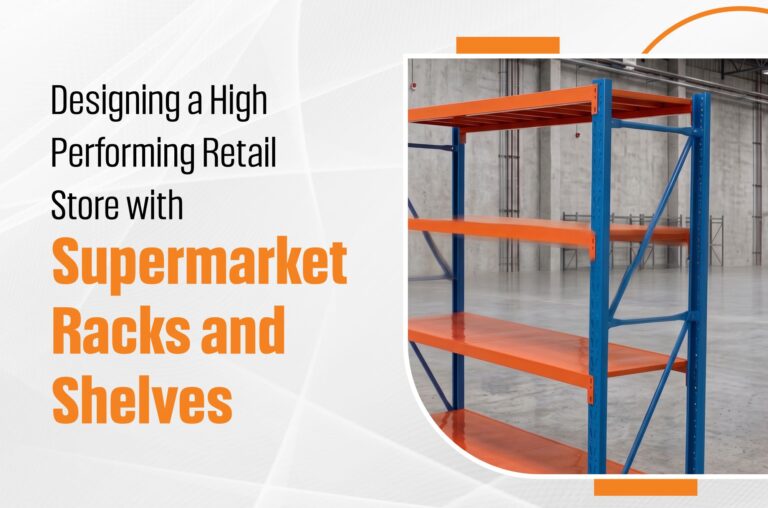
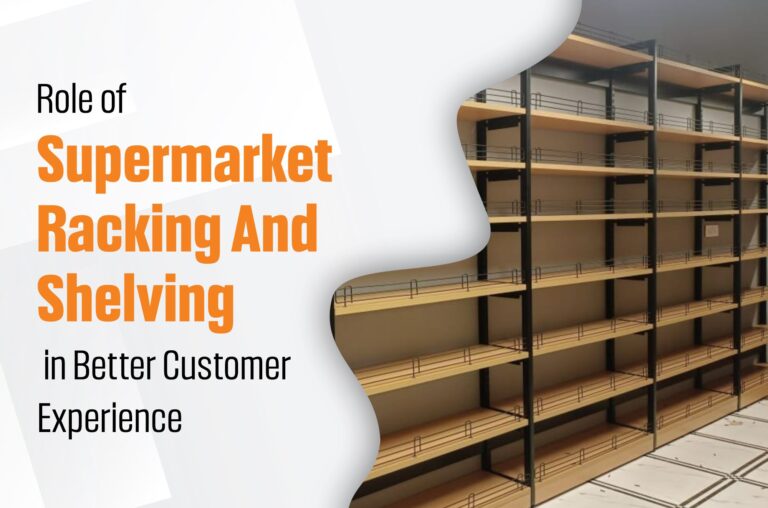
In most cases, the decision on the storage system to use in the warehouse is made depending on what is available or what the budget can afford at the moment. However, once the system has been put in place and operations resume in the warehouse, the problems begin. The materials cannot be easily accessed, movement becomes slower, and the warehouse cannot be utilized in the best possible way. This happens because the racking and shelving in the warehouse were not considered in terms of the operations in the warehouse. Every warehouse has its own operations. Some may be handling materials that move in and out of the warehouse on a daily basis, whereas in other warehouses, the materials may be kept for longer periods. Because of this reason, the system should be considered in terms of the operations in the warehouse rather than the general system. When the operations in the warehouse and the system used in the warehouse do not match, even if the system used in the warehouse is of good quality, the required results cannot be obtained. For instance, if the materials in the warehouse need quick access, the system may not be able to allow this if it was designed for high density storage. Similarly, if heavy materials are to be stored in the warehouse, the system may not be able to handle this situation. The handling of the materials in the warehouse may also be considered. Some warehouses use forklifts in the movement of materials from one point to another. Therefore, the racking and shelving in the warehouse should be considered in terms of the operations in the warehouse. Therefore, before looking at the various systems available in the market and the prices attached to them, it is important to first understand the operations in the warehouse. What Are Your Daily Warehouse Activities? Before choosing any warehouse racking and shelving system, it is important to step back and look at how your warehouse actually runs on a daily basis. This is where most businesses go wrong and end up bypassing the process and going directly to the selection process. However, without a clear understanding of the day to day running, it is possible to end up with a system that does not function efficiently. For instance, it would be necessary to understand the movement of the goods stored in the warehouse. If the goods are frequently picked and restocked, then it would be necessary to have a system that allows easy access. However, if the goods are stored for long periods, then it would be necessary to consider the optimized storage space. You should also consider the type of materials being stored, because size, weight, and shape directly affect the kind of warehouse racking and shelving required. This is because the size, weight, and shape of the goods would affect the type of warehouse racking and shelving system to be used. For instance, the use of heavy goods, small goods, and long goods would require different approaches to the system. Additionally, the method used to move the goods within the warehouse would also be necessary to consider. If the goods are moved using a forklift, then the system would have to allow easy movement. However, if the movement is done manually, then the reach and access would also be necessary to consider. Matching Warehouse Racking and Shelving to Real Workflows Once you have a clear idea of your daily operations, the next step is to select the appropriate kind of warehouse racking and shelving system. In this area, it is more important to think practically rather than technically. For instance, in warehouses where there are high volumes of goods in movement, it is always better to select a racking system since it allows access to all pallets. On the contrary, in warehouses where there are high volumes of similar goods in stock and movement is not so high, it is better to select high density racking systems like drive-in racks. Similarly, in warehouses where there are high volumes of long materials like pipes and sheets, cantilever racks are more appropriate, and for warehouses with small items like cartons, shelving systems are better. The idea here is not to select racking and shelving systems based on general usage but on actual usage. Many warehouses have racking and shelving systems in place, which look efficient for general usage but are not appropriate for actual usage. This leads to difficulties and increased time spent during actual operations in the warehouses. When racking and shelving systems in warehouses are chosen according to actual usage, it enhances smooth movement in the warehouses. Common Mistakes Businesses Make When Ignoring Operations One of the most common mistakes that businesses make is choosing their warehouse racking and shelving without understanding the operation of their warehouse. This usually ends up causing overcrowding, where the racking is placed simply for the sake of maximizing the space. This causes inefficiency in accessing the stored goods. In other instances, the load capacity is not well thought through, which causes problems in the long run. Another mistake is the failure to maximize the use of the vertical space. This affects the efficiency and safety of the warehouse. Another mistake is made in the warehouse layout. This is where the aisles are narrow without adequate consideration of the movement of the forklifts. This affects the day to day operations of the warehouse, where the operations team ends up working hard just to move around the warehouse racking and shelving. This ends up causing inefficiency in the operations of the warehouse, where the racking is supposed to make work easier, not harder. This is where the right warehouse racking and shelving come in. How BPI Racks Helps You Choose the Right Warehouse Racking and Shelving Choosing the right warehouse racking and shelving is not just about choosing the right product. This is where the right supplier can make a big difference. This is because, instead of choosing the right

Two Tier Racks
Racking

Smart Storage Space Management Starts with Strong Two Tier Racks

When your storage space is already occupied and you are about to take the next step then it becomes very important to select the suitable storage system. Many businesses today are not expanding their space but improving how they use it, and this is where two tier racks come in as a practical solution. As an alternative to expanding to a larger warehouse, you can add an extra level onto the existing space, which will then add storage space without raising rent or operation expenses. This is cost effective and efficient to the growing businesses. By using this system, you also enhance the working process since the materials will be stored in a better organized manner and also the accessibility of the materials is easier to the members of your team and this results to higher and more controlled daily operations. Long term usability is also another consideration because an effectively designed installation can handle a variety of products and can be modified as your business expands to make it a secure investment and not a mere band-aid solution. Why Two Tier Racks Are the Right Investment Now When your storage starts affecting your daily operations, it is no longer just a space issue, it becomes a business problem. Slow deliveries of materials, wrong stacking, and spoilt products may time consume your whole working process. This is where two tier racks become a direct solution rather than just an upgrade. Through proper utilization of vertical space, you are able to manage larger quantities of inventory without necessarily expanding the size of your facility and this can assist you not only to regulate costs but also to maximize efficiency. At the decision point, expansion and optimization are mainly compared at most businesses. Bigger warehouse means increased rent, human manpower and complexity in operation. On the other hand, installing two tier racks allows you to improve your current setup with a one time investment. This facilitates easy inventory management, storage minimization and establishment of an orderly system to store goods, which promote quickness of goods movement. The other important benefit is that this system promotes the growth of business. Having more inventory will mean that a structure already exists to handle more inventory without significant alterations. The consequence of this is that you are not only resolving your present problem but also preparing against future need. This option provides a viable option to businesses that require more control, enhanced efficiency and scalability of the storage solution. How Two Tier Racks Improve Daily Operations Daily operations are made slow and disorganised when storage is not planned. Employees waste time trying to find materials, relocation and space management rather than doing actual work. This is where two tier racks make a clear difference by bringing structure and better movement inside your facility. A good layout will allow you to organize the materials according to their use, and this will ensure your team finds them easily without any confusion. This saves time spent in picking and placing as well as minimizes handling errors. Consequently, this makes your general workflow more seamless and predictable. The other significant upgrade is the space management. You actually make special levels of storage where everything is kept in place instead of just piling it up haphazardly. This keeps your materials safe as well as your workspace clean and safe to employees. These little steps over time will result in improved productivity. Rapid work, reduced errors, and systematic storage are all direct benefits of business performance. This strategy can give straightforward outcomes to companies that want to maximize efficiency without any added expense. Where Two Tier Racks Fit Best in Your Business Choosing the right storage system also depends on how well it matches your business needs. Two tier racks work best in spaces where height is available but floor area is limited. This system can enable you to use the unused vertical space as active storage which helps in supporting your operations. They can particularly be handy with businesses that deal with medium weight goods, cartons, spares, and inventory that cannot be accessed through electronic means. The structure permits ease of movement among levels hence your team is able to handle stock without relying on equipment much. This renders it to be applicable in warehouses, manufacturing plants and distribution centers which require accessibility and capacity. Flexibility is another important factor. The storage layout can be modified to accommodate new needs as you change your inventory. This makes sure that as your business expands, your system will be able to sustain your business. This is a powerful benefit to the companies intending to scale out long term. When a delay is being caused or restriction of space available is being experienced in your current setup then it is a clear indication that you need to upgrade. In such cases, investing in two tier racks helps you make better use of your existing space while keeping operations efficient and organized. Choose the Right Partner for Two Tier Racks Once you decide to upgrade your storage system, the next step is choosing the right supplier. This choice has a direct impact on your performance, safety and long term value of the investment. Two tier racks are not just about adding levels, they require proper design, quality materials, and correct installation to deliver the expected results. When you have a long time supplier then your storage design would be made according to your real needs. Every detail counts in load capacity, space utilization etc. A properly developed system will not only enhance your storage capacity but it will also help in smooth operations without posing any safety hazard. BPI Racks provides reliable solutions for businesses looking to install two tier racks with confidence. Studying the needs of various industries, their team will provide you with personalized designs that will suit your space and the working process. They take care of quality and longevity which means that your system will be efficient in the

Drive In Pallet Racking
Racking

Short on Warehouse Storage Space? Upgrade to Drive In Pallet Racking

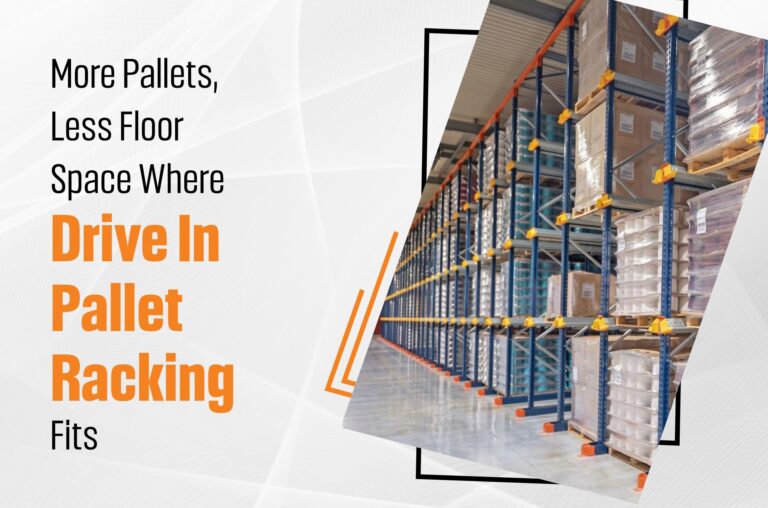
Modern businesses have made warehouse space one of the largest operation issues. Most facilities are being forced to work within the constrained floor areas as the volume of inventory rises. Increasing the size of the warehouse is not only costly, but also time consuming and in most cases, not practical as land and rental prices continue to increase. This renders effective use of space to be a business necessity and not an option. Meanwhile, increased demands of improved speed in deliveries and more stock force more strain on storage capacity. Conventional warehouse designs occupy valuable floor and vertical space which results to congested aisles, slow movement of materials, and low productivity. Poor use of space in cold storage directly results in high energy and operation costs. In order to remain competitive, companies should stop relying on the traditional forms of storage and look into smarter high density storage that can optimize space and enhance efficiency in their operations. Why Traditional Storage Systems Fail in High Density Warehousing Pallet racking systems that existed before were not designed to optimize on space, but provide easy access. They are practical in cases of low volume operations; however, they are inefficient with increase in inventory levels. Large aisles, locked racks structure and poor use of vertical stacking leads to excessive loss of warehouse area. The most common system is selective pallet racking where several access aisles have to be moved by forklifts. These aisles consume high percentage of the floor space and therefore less space to store pallets. Even the deep deep and narrow aisle systems only provide moderate improvements and still they do not provide high density storage needs. These layouts, too, add to the congestion in busy warehouses. Forklifts are competing over a little space of movement, and they decelerate the loading, unloading and picking activities. This increases labor expenses, increases handling time and creates a risk of damage to the products. Most significantly, conventional systems do not make good use of vertical space. Huge amounts of the height of the warehouse are not used, which lower storage capacity. This has caused businesses to find it difficult to satisfy the increasing storage needs without having to spend heavily on expanding the warehouse. How Drive In Pallet Racking Solves High Density Storage Problems Pallet racking drive is created to accomplish maximum storage density by eradicating unwarranted aisles and capitalizing on floor and vertical space. This system enables the forklifts to drive in the racking lanes and place and recall pallets instead of having them stored on pallets on ordinary beams with more than two access aisles. This forms a deep lane storage system that can greatly enhance pallet capacity using the same area. Drive in pallet racking helps warehouses to increase the number of pallets they can store in each square meter by minimizing aisle needs. This is why it is a perfect choice in facilities that work with large amounts of similar products. The system allows vertical stacking with the entire height of the warehouse used to its advantage which makes it optimize better cubic spaces. An additional significant strength is its lean and strong design. The pallets are raised on robust guide rails and therefore could be stored safely and securely even at the elevated levels. This enhances safety and at the same time, it does not spoil the smooth flow of the forklift within the lanes. The outcome is a very well organized inventory layout that streamlines the working process and minimizes handling inefficiency. Drive in pallet racking is a convenient and scalable solution to businesses with severe space constraints that can have immediate gains in storage capacity and performance. Key Operational and Cost Benefits of Drive In Pallet Racking The densities of the storage can be increased significantly by the drive in the pallet racking making it one of the greatest benefits of the drive. Warehouses can also maximize space usage by an estimated 70 percent through removal of several aisles and creation of deep lanes storage. This enables business to hold a greater inventory in the same building saving the expensive expansions or movements. Better space utilization results in reduced operating expenses. Less floor space in the warehouse reduces rental costs, reduces energy use, and enhances the efficiency of lighting systems and climatic controls. This benefit is even more vital in cold storage processes, where better space optimization will save on the expenses of refrigeration procedures and the overall energy efficiency. There is also the improvement in operational performance. Lane based storage is organized, making it easier to handle material, place pallets faster and predict inventory flow. This will assist in lessening the loading and unloading time, lessening the effect of product damage, and enhancing the level of throughput per day. In the long run, these efficiency gains will yield good results in terms of financial performance. The less infrastructure requirement, less labor requirement, and enhanced workflow are the reasons why the return on investment is speedy. Drive in pallet racks provide a less expensive storage method to businesses that concentrate on scalability and long term growth. Who Should Use Drive In Pallet Racking? Best Use Cases and Industries The drive in pallet racking is designed to be used in warehouses where the flow is high and the storage density is to be maximum. It is a perfect selection in the operations where space is more valuable than the direct access to all the members of the pallets. This system is most advantageous to businesses that are involved with bulk storage and constant movement of inventory. One of the biggest users of drive in pallet racking is the cold storage facilities. Temperature controlled space is costly to construct and operate, so it is necessary to make the best use of every cubic meter. The system enables the cold storage operators to enjoy much more pallet capacity without disruption in flow of material. It is also a great saving to the food and beverage industry, particularly in the

Metal Mezzanine Floor
Racking

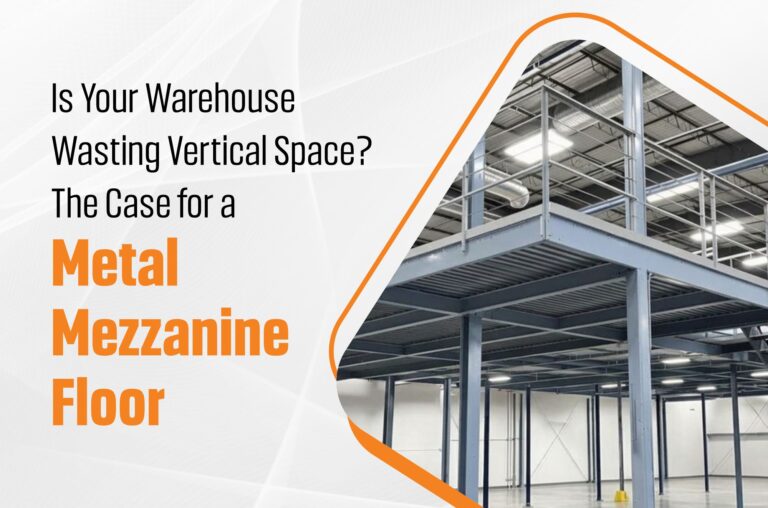
Why Metal Mezzanine Floor is a Smart Choice for Warehouse Expansion

In the industrial environment, warehouses and factories are facing the challenge with limited floor space. Also, it is raising the operational cost and the industry is demanding efficient storage or production area. If the businesses grow, the requirement for additional space is unavoidable. However, relocating or moving to larger premises can be expensive and disrupt daily operations. The metal mezzanine floor is cost-effective which involves an intermediate steel structure in the floor. It has the ability to make use of the unused vertical space of the building and significantly utilize the usable area in the building’s footprint. In the warehouse’s, ceiling height is underutilized so a metal mezzanine floor is creating additional space to store the items. Provides the smart usage of vertical height to maximize the usage of the facility. It is widely adopted in industrial settings for its strength and durability because the metal mezzanine floor is made up of high-quality structural steel. Engineered to support heavy loads and designed with safety standards. It is suitable for a wide range of demanding working conditions and industrial applications. Suitable for manufacturing units including logistics centers and distribution warehouses. This mezzanine floor is modular and more customizable than conventional concrete structures. It is equipped to fulfill the specific operational needs and can expand as per business requirements that evolve. Adaptable for growing businesses that require scalable space without permanent construction. It provides quick installation without disturbing ongoing operations so installation time is reduced. Allowing the industry to continue working on the goods along with upgrading the facility. Gives faster returns on investment, improves space utilization and increases overall productivity. Efficient Use of Vertical Space The warehouses and factories have underutilization of vertical space so this floor is designed with high ceilings to accommodate the goods. In most of the cases, the vertical height is not used and the operations are also struggle with limited floor space. It provides an effective solution that transforms the unused vertical height and it is instantly increases the usable space without expanding. The mezzanine level can double the unused floor area and enhances space utilization. This approach grows the industry, avoiding the logistical challenges and makes the multiple level. The mezzanine floors are creating additional levels in the storage and assist the businesses in organizing the goods efficiently. Provides storage-intensive environments, it can be used for equipment platforms by keeping the ground-level space free for heavy items and frequent material movement things. This separation improves the workflow, avoids congestion on the floor and improved operational efficiency by utilizing vertical space. Assists in defining the different levels for various activities and handles the material more smoothly. The structured layout avoids clutter with supporting the industry for better inventory management. Supports scalability in the view of a long-term perspective by maximizing the vertical space. The floors can extend or reconfigure according to the additional operational requirements. Gives flexible use of height as the demand grows. In summary, installing a metal mezzanine floor is an efficient use of unused vertical space and reduces overcrowding without the need for relocation. Flexible and Customizable Design The metal mezzanine floor has high flexibility for customization in every warehouse and factory. It operates differently for all industries with unique layouts and workflows. It is not in one size that have to fit for all. Instead, this kind of floor is designed to adapt for the facility precisely and satisfy the operations of a facility. Also, it can be customized in diverse sizes, load capacity, heigh and according to the building. The adaptability creates functional zones in the same building and improves organizational efficiency with the modular design. The stylish construction allows easy modification, rapid reconfiguration or even relocation to the new facility. It is valuable for growing businesses where storage demands are high. Depending on the industrial application, it is easily customizable according to the flooring and safety features. It has the elements including guardrails, fire protection systems and access gates and can be easily integrated to meet the industrial standards. These all features suits for the industrial and commercial environments. It can seamlessly integrate with existing racks or shelves which enhances the workflow efficiency for the production maximization across multiple levels. Any industry can be incorporated with mezzanine design by ensuring a comfortable and working environment. The customizable design makes it an ideal space optimization of the warehouses. Adapt for the changing needs to support diverse applications with long-term usability and along with maximum return on investment. Faster Installation with Minimal Downtime Time is more precious because it is directly linked to the productivity and revenue for the warehouses and factories. For the major activity, it disrupts the daily operations which leads to delay or financial losses. Installing a metal mezzanine floor is fast, minimizes downtime and supports continuing the operation smoothly. The floors are prefabricated by using a precise design and can assemble easily inside the facility. Significantly avoids the on-site construction time when compared to conventional building expansion. As a result, installation can be finished within a short period of time, depending on the size of the structure. It doesn’t require extensive civil work and avoids heavy construction activities or major structural alterations. In many cases, installation is easy, so it can be planned during non-working hours to reduce disruption. Beneficial for warehouses and factories to operate on tight schedules to run multiple shifts. Has the ability to maintain ongoing operations during installation and the mezzanine structure can be built within the existing building. During installation, the industry can continue with minimal interruption including storage, production or order processing so the business can avoid costly shutdown. It ensures the customer commitments without delay and rapid installation, translated into faster operations. Once the mezzanine floor is installed, it can be used immediately. Can reorganize inventory fast and gives faster improvements in productivity. Contributes for the rapid turnaround, organized installation process and avoids workplace accidents. Avoiding the construction time and operational disruption, industries have the ability to upgrade the facilities

Racking with Plywood
Racking

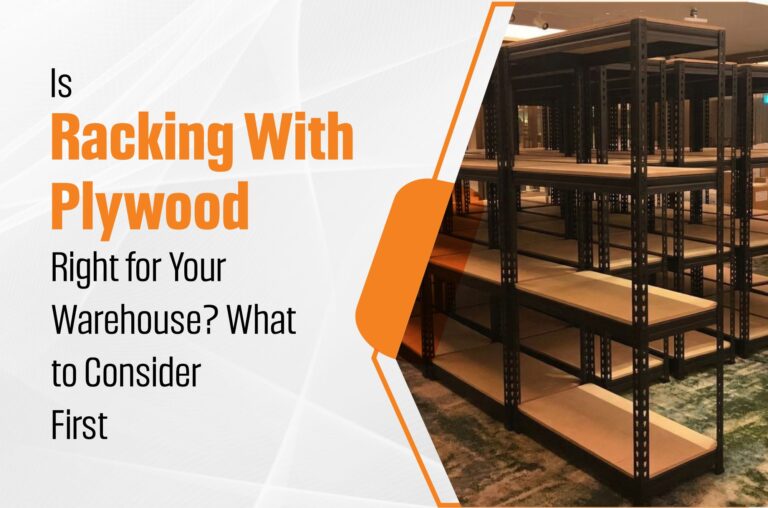
Durable Warehouse Support Systems Using Racking with Plywood

Introduction Racking with plywood system is the essential storage solution for the usage of warehouses, retail shops and other distribution centers. Supports to balance the flexibility of the product, has high affordability and is designed with strength. This storage system is integrated with durable plywood and steel rack frames to make the items stable. Suitable to store a wide range of goods because it has flat storage surfaces. Due to the flat surface area, it is valuable to place the products such as irregular loads, loose items and various kinds of non-palletized products. Has the ability to store the products efficiently, safely and simply yet effective. It distributes the weight evenly on the pallets, provides a primary load-bearing structure, allows to improve space utilization and reduces the handling time. Prevents the item from slipping and adds a layer of protection for the protection of goods. Versatility is the key reason for the industry to adopt the plywood-based racking to install in the warehouse. It is simple to install but still it can store light, medium or heavy-duty goods. Suits to configure depending on diverse load requirements and high-quality grade plywood selected to handle various application needs. Adaptability is the best option for the industry where the requirements and demands change frequently. From the perspective of cost, it acts as a good alternative for the wire mesh and panels made of steel. Gives the solid surface to avoid slippage of products, maintains the load support and also has a lower investment. Additionally, it is customizable which allows the racks to modify to suit the facility without doing major structural changes on the building. Also, practically ideal for dynamic warehouse environments and business evolve over time. Equipped with the important aspect of racking with plywood for a safe workplace and organization. The flat surface of plywood enhances the goods’ stability without causing damages to the products and creates a visually appealing storage appearance. It has high warehouse safety standards to maintain load distribution evenly on the surface and gives consistent loading & unloading of the products. Has highly enhanced moisture, gives proper sealing to the goods and extends the service life of the racks. Overall, it acts as a smarter storage solution which is designed with good structural strength and also, it connects the gap between conventional racking and efficient inventory management. It remains cost-effective to the industry, prioritizing flexibility, gives better space utilization, is highly adaptable and stands out as a widely usable storage solution. Structural Design and Material Strength The heavy structural design of the storage system is effective and engineered with adaptability to act as a preferred choice for warehouses. This versatile shelving is built with a precise framework that consists of robust steel and beams. The plywood decking allows for balancing heavy load needs, has consistent performance and is flexible for demanding environments. The strength lies in the thoughtful structure and provides support to resist bending or twisting. Also, using the vertical and horizontal support from the facility and the wooden panels are placed securely across the beam. The flat surface distributes weight, significantly avoids the point loading and reduces deformation or stress failure. The material selection is important to build durable plywood racking and should use industrial-grade wood. The superior strength of the plywood improves it from cracking, warping or splitting. Maintains high load-bearing capacity, is able to store uneven or irregular goods and can handle dynamic loads. Suitable for the warehouses where it is frequently loaded and unloaded. Plywood absorbs shock and prevents constant movement or vibration. The rigid material has a shock-absorbing property to improve the extension of the lifespan and protects the items from damage while loading or unloading. Advantages of Using Plywood in Industrial Racking The plywood decking is efficient for the warehouse, which significantly makes the impact on the performance and longevity on the built material. It is the effective option to balance the strength and cost reduction. By providing the flat storage surface, it is ideal to store the load and makes it to sit securely on the wood and benefits with excellent load distribution and high capability. Unlike wire-based shelving, plywood spreads the load properly with reduced pressure points. It avoids structural stress, prevents deformation over time and gives stability without compromising. The appeal of plywood delivers strong performance when compared to specialized decking materials. Supports long-term organization and efficient warehouse operations. It is offering superior flexibility by making the replacement and upgradation easy with the storage requirements change. The adaptability ensures reconfiguration of the racking system without additional investment. Also, it is equipped with height adjustment and layout modification. It is suitable for the operation evolution in industrial environments. Resisting the stored goods from warping, cracking or splitting. For continuous use, it is treated with protective coatings to withstand temperature variations, moisture or dust. Built with solid surface to provide stable stacking and avoid the risk of accidents during the operation of loading or unloading. The shock resistance gives better protection for the stored goods and rack components. Applications of Racking with Plywood Across Industries Racking with plywood is widely adopted across numerous industries such as warehousing and logistics centers. It has various advantages including adaptability and durability. It has a combination of steel frames and beams for the safe storage of spare parts or miscellaneous items. It is able to accommodate mixed inventory types and supports fast-paced picking operations. Easy placement, retrieval or goods improves workflow efficiency and avoids damaging products. Features to store valuable in distribution areas and best for the inventory with various in diverse shape or size. Allows to identify the stock rapidly and gives an organized layout. Conclusion and Future Scope of Racking with Plywood Racking with plywood is proven as a highly effective storage solution for the warehouse. With the industrial-grade plywood panels, it is a safe method to store a wide range of goods. Has a preferred choice to resist the warping and adapt to changing needs. Enabled with enhanced customization

Multitier Racking
Racking

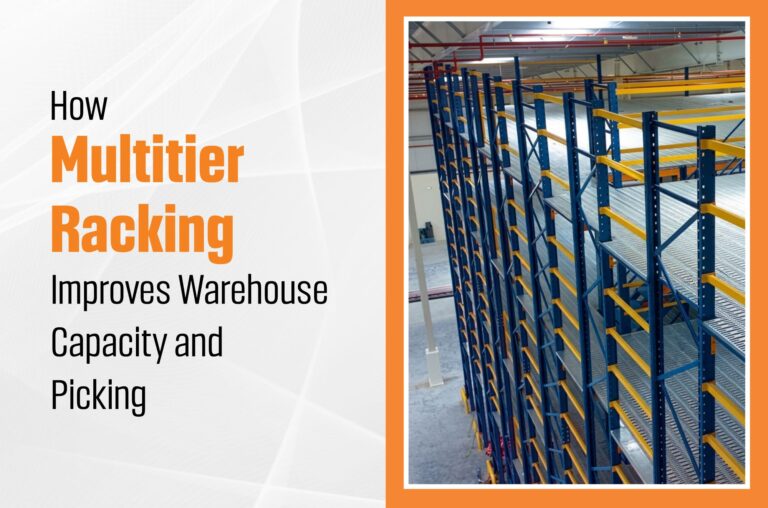
Maximize Space in Modern Warehouses With a Multitier Racking System

Introduction The modernized warehouse has the capacity to store a huge volume of inventory within a limited area. As the land value increases and the operational requirement rises, the industry is focusing more on expanding the vertical storage rather than horizontal expansion. A multitier racking system is considered one of the effective methods of addressing the space shortage challenge. Highly maximizing the available height of the building which increases the entire warehouse functionality. Utilizing the unused vertical space provides the building with a structured storage level and significantly improves the capacity without expanding it to the new building. It has the ability to create multiple storage floors in the building which provides better organization. Making the order fulfilment faster, high inventory control and adding value to the industry that deals with more inventory storage. Gives rapid inventory movement, contributes to the warehouse for the rapid inventory movement, smooth movement of material and saves the cost for the long term. The flexible design has the customization option to suit various industries and provides operational requirements. This comprehensive blog explains everything about multitier racking system including benefits, applications and future trends to shape the modern storage warehouse. Understanding Multitier Racking System A multitier racking system is designed as an advantageous storage to maximize the vertical space of the warehouse and create multiple storage level inside the single building instead of expanding into outward building. Also, it is converting the unused height of the warehouse to use as a organized storage and easily accessible by the workers. At the core, it is constructed with robust steel framework. Designed with a connection with staircases for secure and smooth movement. Unlike conventional racking system, it can be easily accessed with forklifts, suitable to handle a wide variety of items and high order volumes. It acts like a entirely separate storage floor, can pick the goods efficiently and avoids the disruption of ground-level operations. The structure includes the beams, frames and all the safety components like handrails. Provides stability, gives load-bearing strength and gives customization for every diverse industry. It is adaptable for diverse businesses, workflow patterns and ensures optimal performance. It allows to add more level or reconfiguring in the existing building as the storage requirement changes. The flexibility acts as a long-term investment and the combined intelligent design gives the practical answer to modern warehousing. Evolution of Warehouse Storage Solution Over the years, the multitier racking system has significantly improved supply chain demands and avoided space constraints. In traditional warehousing, it completely relies on basic shelving or single level racking. In these methods, there are more underutilized vertical space in the building and scalability is limited as the volume of the storing inventory is increased. As the product range expands in the warehouse, it has to seek smarter ways to improve the capacity without looking for additional land. This model came as a turning point in warehouse design by utilizing the vertical space and allowing to storage at greater heights. Still, the conventional method is more dependent on forklifts but the development of multitier racking offers more flexibility to vertical storage. Multitier racking is considered a strategic move in the industry which is designed around to increase workflow efficiency. It is creating multiple walkable levels in the same building and significantly raising the capacity of the storage & makes the accessible to the inventory easy. This evolution is closely rising the diverse industry including e-commerce and retail distribution. It has fast inventory picking, accurate order fulfilment and this broader trend give intelligent warehousing. The modern inventory management integrates seamlessly with the warehouse and has the ability for future expansion. The advanced multitier system highlights the scalability and long-term operational value. Structural Design and Engineering It is engineered with accurate structural design, high-performance and usage for long-term reliability. Unlike conventional shelving, it supports heavy loads, is equipped with high-grade structural steel and is carefully designed for the load-bearing components. It is a strong beam framework that distributes the load evenly and maintains stability across all tiers. Carefully assess the floor load capacity and avoid expected traffic patterns. Ensures each tier is safely under any volume of load caused by movement. Depending on the industrial application, it can be fitted for a diverse range of industries. Provides durability, slip resistance, anti-slip stair treads and complies with industrial safety standards. The precision allows it to remain scalable, designed for future expansion and enabling extended sections without compromising the integrity. This combination delivers flexibility and strength for demanding warehouse environments. Space Optimization and Storage Density The multitier racking system dramatically improving the space optimization of the building and the ability to raise the storage density significantly. In a different range of facilities, it is utilizing the large portion of unused vertical space and represents valuable storage. Converting the height of the warehouse into multiple functional storage levels within the same floor area. Reduces the requirement for costly warehouse expansion and is beneficial for urban and industrial zones. Enables the maximization of the cubic space utilization and contributes to the operational value. As a result, raising the storage capacity without increasing the warehouse footprint. Leads for better organization with define levels clearly for effective usage. Simplifying the stock identification avoids the wasted space in the warehouse. This systematic storage plan makes the management of seasonal inventory fluctuations easier. Reducing the time spent and shortening the travel distance to pick the storage goods in the warehouse. Wrapping Up A multitier racking system gives an approach to modern warehousing with the combination of space optimization for operational efficiency. Significantly increase capacity by utilizing vertical storage and reducing long-term operational costs. The customization nature of multitier racking adapts to various layouts and enables workflow requirements. Integrates with warehouse management to ensure reliability, picking accuracy and overall productivity. As warehouses continue to grow with growing inventory demands and remains a cornerstone of performing storage solutions. Reach Business Point International, UAE for various demanding racking and shelving solutions for the warehouse. Feel free

Selective Racking
Racking

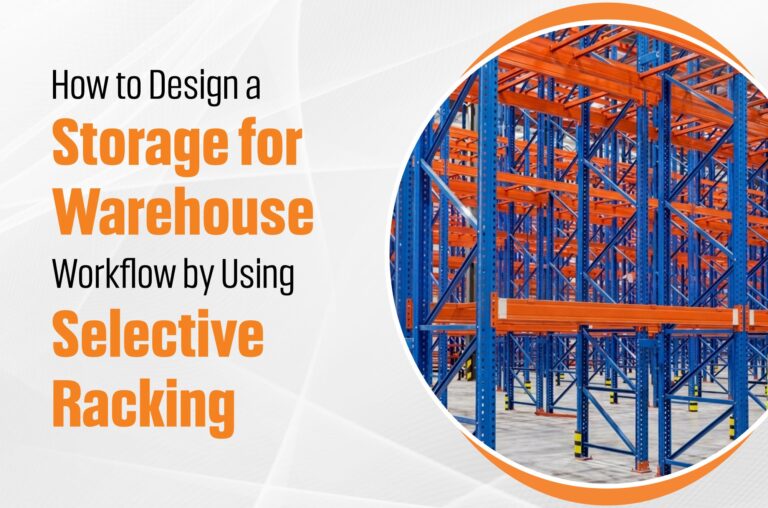
How to Implement Selective Racking for the Warehouse Efficiency

Manufacturing facilities depend on smooth material flow to keep production running without delays. However, storing raw materials, work in progress, and finished goods near production lines often becomes a challenge. Poor storage leads to congestion, material damage, and wasted handling time. These issues directly affect productivity and safety on the shop floor. Selective racking offers a practical storage solution for manufacturing environments. It allows easy access to every pallet and adapts well to changing production requirements. By organizing materials close to the production line, selective racking supports faster operations, better inventory control, and safer working conditions inside manufacturing facilities. Storage Challenges Inside Manufacturing Facilities Manufacturing facilities face daily storage challenges that directly affect production flow. Raw materials often arrive in bulk and need to stay close to machines. When storage is not planned properly, these materials occupy floor space and restrict movement. Workers spend extra time locating the right material, which slows down the production process. Work in progress creates another challenge. Parts move between different stages of production and need temporary storage. Without a proper system, work in progress items get mixed or misplaced. This causes confusion, rework, and delays on the shop floor. Finished goods also require organized storage near packing or dispatch areas. When finished products are stacked randomly, damage risk increases and loading time extends. These challenges show the need for a storage system that offers easy access, flexibility, and order. Selective racking addresses these exact issues inside manufacturing facilities. Why Manufacturing Facilities Need an Organized Racking System An organized racking system is essential for maintaining efficiency inside manufacturing facilities. When materials are stored without structure, production teams lose valuable time searching, shifting, and rearranging stock. This directly affects machine utilization and overall output. Disorganized storage also increases the risk of material damage, which leads to higher wastage and cost. Safety is another major concern. Floor stacking and improper storage create obstacles for workers and forklifts. These conditions increase the chances of accidents near active production lines. In addition, poor visibility of stock levels causes inventory mismatches. Production planning becomes difficult when raw materials or work in progress are not clearly tracked. Selective racking brings structure and clarity to manufacturing storage. It ensures materials remain accessible, visible, and safely stored, allowing production teams to focus on smooth operations instead of storage problems. What Is Selective Racking and How It Works Selective racking is a storage system designed to provide direct access to every pallet. In manufacturing facilities, this feature becomes highly valuable because materials move frequently between storage and production lines. The system uses upright frames and horizontal beams to support pallets in a structured and stable layout. Each pallet position in selective racking remains independent. This means operators can retrieve or store any pallet without moving others. Forklifts can easily operate within the aisles, which keeps material handling simple and fast. Because of this accessibility, selective racking supports quick decision making and smooth production flow. Another key advantage of selective racking is its adaptability. Beam levels can be adjusted based on pallet height or material type. This flexibility allows manufacturers to reorganize storage as production demands change, without major structural modifications. Role of Selective Racking in Manufacturing Storage Selective racking plays a practical role in organizing materials across different stages of manufacturing. Raw materials can be stored close to production lines, which reduces travel time during material feeding. This improves workflow and helps maintain consistent production speed. Because selective racking offers direct pallet access, operators can quickly identify and retrieve the required materials. Work in progress storage becomes more manageable with selective racking. Components waiting for the next production stage remain clearly separated and labeled. This reduces confusion and prevents mixing of parts. As a result, production teams maintain better control over ongoing processes. Finished goods also benefit from selective racking. Products can be stored neatly near packing or dispatch areas, minimizing handling delays. The system adapts easily to changing production volumes, making selective racking a reliable storage solution for manufacturing facilities. How Selective Racking Solves Manufacturing Storage Problems Factories are usually slowed down due to the difficulty in accessing materials. This is addressed by selective racking which provides direct access to all pallets. Employees do not have to carry other materials to access the stock they require. This reduces waiting time and maintains running production lines. The use of space can be improved when there is selective racking rather than floor stacking. Materials are stored on the upright position in an orderly manner which frees floor space adjacent to machines. This allows the workers and forklifts to move in a safer way. Raw materials, items in progress, and finished products can also be more easily seen as a result of selective racking. Labeling prevents time wastage in decision making by the planners. Flexibility is also provided by selective racking. The change in production requirements occurs when new products or a varying batch size arises. Since the system can be changed, manufacturers are able to change storage but not to break the working process. Selective racking is a dependable option in the long term due to this flexibility. Selective Pallet Racking for Different Manufacturing Scales Selective pallet racking adapts to manufacturing facilities of all sizes, making it a versatile storage solution. Small Manufacturing Units: Even facilities with limited space can benefit from selective racking. Vertical storage maximizes floor area near production lines, allowing small teams to access raw materials and work in progress without obstruction. Medium-Scale Factories: For medium scale operations handling multiple product types, selective racking helps organize different SKUs efficiently. Operators can quickly retrieve specific pallets, reducing production delays and improving workflow coordination. Large Manufacturing Plants: Large facilities with high volume output rely on selective racking to manage vast inventories of raw materials, WIP, and finished goods. The system allows easy reconfiguration of aisles and beams to support changing production schedules, making material handling faster and safer across the plant. Selective racking’s scalability ensures that manufacturers can grow or adjust operations without

Heavy Duty GI Grating
Racking

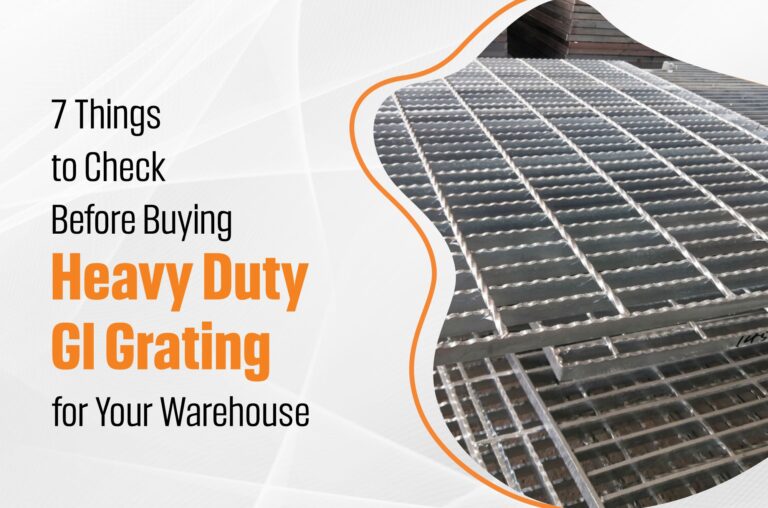
About Industrial-Grade Heavy Duty GI Grating for Long-Term Durability

Solid and robust floors are required in industrial and business locations. They are forced to carry huge weights, movement and pressure at all times. And that is why heavy duty GI grating is required. Old floors, which crack, rust, or become unsafe are still in use in many places. These issues cause slowed work, and may harm individuals. The heavy duty GI grating is designed to remedy such issues. It could bear heavy machines, allow water flow through it, enhance better air flow and reduce the chances of slipping. It is effective even under extreme circumstances. Companies desire products that are more durable and require less maintenance, whether it is the warehouses or the factories. The choice of the right grating is more than merely a question of the material; it is a question of people’s protection, continuity of work and cost effectiveness in the long term. Understanding Heavy Duty GI Grating Heavy duty GI grating is a structural flooring system made from high strength steel that is protected through galvanization. The term GI refers to galvanized iron, which means the steel is coated with zinc to resist rust and corrosion. This coating allows the grating to perform well in demanding environments where moisture, chemicals, or outdoor exposure are common. What makes heavy duty GI grating different from standard grating is its load bearing capability. The bearing bars are thicker and spaced precisely to carry heavy static and dynamic loads. These bars are connected using strong welding or pressure locking methods to ensure stability under continuous use. This structure helps distribute weight evenly, preventing bending or failure over time. Heavy duty GI grating is commonly used in areas where safety and strength are critical. It allows light, air, and water to pass through while maintaining a solid walking or working surface. Because of this balance between openness and strength, industries rely on heavy duty GI grating as a long term infrastructure solution rather than a temporary fix. Why Heavy Duty GI Grating Is Essential in Modern Infrastructure Modern infrastructure has changed significantly over the years. Industries now operate with heavier machines, higher storage capacities, and faster movement of goods. Traditional flooring solutions often fail to support these demands safely. This is one of the main reasons why heavy duty GI grating has become essential rather than optional. In industrial facilities, floors and platforms must handle constant vibration and uneven weight distribution. Heavy duty GI grating provides structural reliability by maintaining strength even under continuous pressure. It does not crack like concrete or weaken like wooden platforms. This makes it suitable for both indoor and outdoor applications. Another important reason is safety. Slippery surfaces and poor drainage are common causes of workplace accidents. Heavy duty GI grating allows water, oil, and debris to pass through, keeping the surface safer for workers. Ventilation is also improved, which is critical in high temperature environments. Because of these advantages, heavy duty GI grating supports safer operations while meeting modern performance expectations. Safety and Compliance Benefits of Heavy Duty GI Grating Safety is one of the strongest reasons industries invest in heavy duty GI grating. In high risk working environments, even small design flaws can lead to serious accidents. Heavy duty GI grating is engineered to reduce these risks by offering a stable and slip resistant surface for workers and equipment. The open grid design allows liquids and dust to fall through instead of collecting on the surface. This reduces slipping hazards and keeps walkways clearer during daily operations. The rigid steel structure also prevents sudden surface failure, which is a common issue with poorly designed flooring systems. Workers feel more confident when moving across platforms that do not flex or shift under load. From a compliance perspective, heavy duty GI grating supports industrial safety standards used across manufacturing, logistics, and processing industries. Fire resistance is another advantage, as steel does not burn or release toxic fumes. These features help businesses meet safety regulations while demonstrating responsibility toward employee well being. Long Term Cost Efficiency of Heavy Duty GI Grating GI heavy duty grating might be initially more expensive than simple flooring, but it will save money in the long term. Business firms do not consider the frequency of repairs or replacement of cheaper flooring. Such additional expenses accumulate and halt operations. GI grating is designed to last several years and requires minimal maintenance. The coating is galvanized and prevents rust even in places where moisture or chemicals are present. It also implies that you do not need to examine it frequently and treat it. Due to this, the outbreak of work stops due to repairs becomes less frequent. The other saving is the reusability. GI grating can most often be removed and re-installed without damage when a building expands, or when the layout of its structure is altered. Companies can easily adapt to this. GI grating provides sustained performance and more control over costs by reducing maintenance expenses and extending their service life. Role of a Professional Provider in Heavy Duty GI Grating Choosing heavy duty GI grating is only one part of the solution. The real performance depends on how well it is designed, manufactured, and installed. This is where the role of a professional provider becomes critical. Heavy duty applications demand accurate engineering rather than standard product selection. A professional provider begins by understanding the actual working conditions. Load requirements, equipment movement, environmental exposure, and usage frequency are carefully evaluated. Based on this assessment, the grating design is customized to match real operational needs. This approach ensures the grating performs safely under expected stress levels. Professional providers also follow strict quality control practices during production and installation. They use tested materials, verified fabrication methods, and trained installation teams. This level of expertise reduces the risk of premature failure and ensures compliance with safety standards. Working with an experienced provider protects both infrastructure investment and operational safety. Common Mistakes When Choosing Heavy Duty GI Grating One common mistake businesses make is selecting

Heavy Duty Steel Mesh Racking
Racking

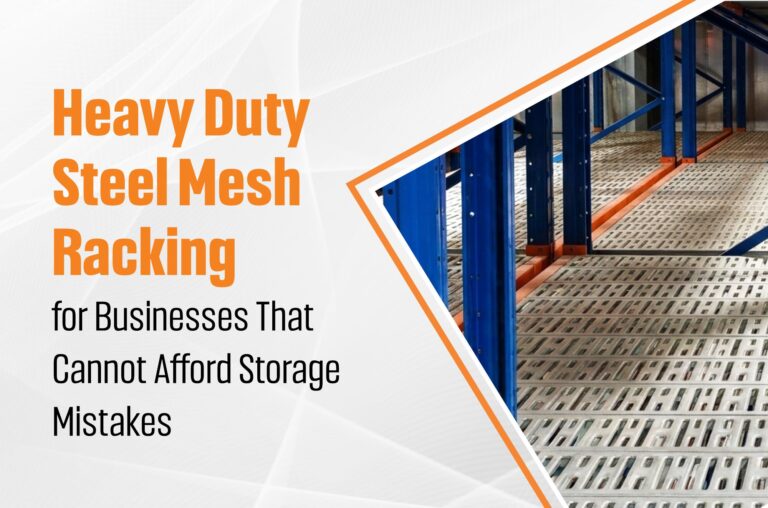
Why Should You Use Heavy Duty Steel Mesh Racking In the Warehouse

If you are managing a warehouse in the UAE and you understand that space is money. But what matters more, safe space is the only way to grow in a sustainable manner. We have visited hundreds of plants at BPI Racks, both large logistic centers and small plants in Sharjah, and we tend to see the same problem. The inferior decking compromised high quality pallet racking systems. Why are experienced logistics directors abandoning standard plywood and investing in heavy duty steel mesh racking? It does not only involve carrying pallets. It is regarding future proofing your facility against more stringent regulations and inefficient operations. As the industrial sector in the Emirates continues to boom, the good enough mindset regarding storage materials is disappearing. Warehouse managers are realizing that steel mesh racking is the only decking solution that truly aligns with modern safety protocols. In this post, we are going to break down exactly why this material is the gold standard for your warehouse, and how we at BPI Racks help you implement it to secure your inventory and your bottom line. Critical Safety Factor: Fire Compliance in the UAE Let’s be direct in the warehousing world, fire safety is the single most critical risk factor we face. In the UAE, Civil Defense standards are understandably strict, and compliance is not optional. This is where heavy duty steel mesh racking separates itself from every other decking option on the market. When you use solid decking like plywood or solid steel panels, you are essentially creating an umbrella on every level of your rack. If a fire breaks out on a lower shelf, the solid shelf above it blocks the water from your overhead sprinkler system. The water simply hits the top shelf and cascades off the sides, leaving the fire in the center to burn unchecked. This “flue space” blockage is a nightmare for safety inspectors and a massive risk for your business. By contrast, heavy duty steel mesh racking is designed with a 50% to 70% open surface area. This permeability is a game changer. It allows water from overhead sprinklers to penetrate through every level of the racking system, reaching the source of the fire at the bottom tier instantly. Furthermore, wood is fuel. In a high heat scenario, plywood decking adds combustible material to the fire. heavy duty steel mesh racking, being non combustible, does not feed the flames. For many of our clients at BPI Racks, switching to mesh decking has not only smoothed the path for Civil Defense approvals but has, in some cases, favorably impacted their insurance premiums. When you look at the potential cost of a fire code violation or worse, a fire event the investment in compliant mesh decking is undeniable. Operational Efficiency: Visibility and Hygiene We often overlook how lighting impacts the speed of warehouse operations. In a facility packed with solid shelving or plywood decking the bottom levels are usually dark and shadowed. This darkness forces forklift operators to strain their eyes or guess when placing pallets at height. This increases the risk of damaging the inventory or the rack beams themselves. This is where heavy duty steel mesh racking proves its worth in your daily workflow. The open grid design of the mesh allows your overhead warehouse lighting to filter down through the racking structure. This simple feature drastically improves visibility for your team. Drivers can see the pallet loads clearly even on the lower tiers which significantly reduces picking errors and accidental impact damage. Then there is the issue of hygiene. Anyone operating a logistics center in the UAE knows that fine dust is a constant battle. Solid shelves act like massive dust pans that collect thick layers of grime over time. This is not just a cleaning headache. It can actually damage sensitive inventory like electronics or food packaging. heavy duty steel mesh racking virtually eliminates this problem because the dust simply falls through the wire mesh to the floor where it is easily swept away during routine cleaning. A cleaner warehouse is a safer and more efficient warehouse. Structural Integrity: Mesh vs Plywood vs Solid Steel When we refer to structural integrity we must fairly compare steel with the popular substitutes. A large number of businesses begin with plywood decking so as to save on the initial installation. But plywood has one major flaw called point loading. When a pallet is damaged with a board at the bottom broken or unevenly distributed weight it may punch through wood or even bow in a dangerous way over time. heavy duty steel mesh racking is designed to avoid this by evenly distributing the load in the beams. We are also obliged to take into account local climate. High humidity and drastic changes in temperature over the year are experienced in our warehouses. Wood is porous and absorbs moisture which causes warping, rot, or even termites infestation that could weaken the strength of your storage. Steel does not bend to these severe environmental conditions. Investing in heavy duty steel mesh racking means you buy your decking once. It does not sag or rot. It remains rigid and secure year after year. Whether you are storing standard pallets or loose heavy items the steel grid provides a consistent and reliable platform that plywood simply cannot match. For any serious logistics operation the superior load stability of heavy duty steel mesh racking makes it the only logical choice for long term reliability. Installation and Customization with BPI Racks One of the biggest advantages we see on the installation floor is the simplicity of this system. Time is a resource we cannot afford to waste during a warehouse setup or refit. heavy duty steel mesh racking features a smart design often referred to as waterfall decking. The mesh deck sits securely on the rack beams and the edges wrap over the front and back of the beam profile. This design holds the deck firmly in place without the need for tools or

Request A Quote Now!

FREE CONSULTATION
+971 52 7309510

This site is protected by reCAPTCHA and the Google Privacy Policy and Terms of Service apply.
Call Now