Maximize Space in Modern Warehouses With a Multitier Racking System
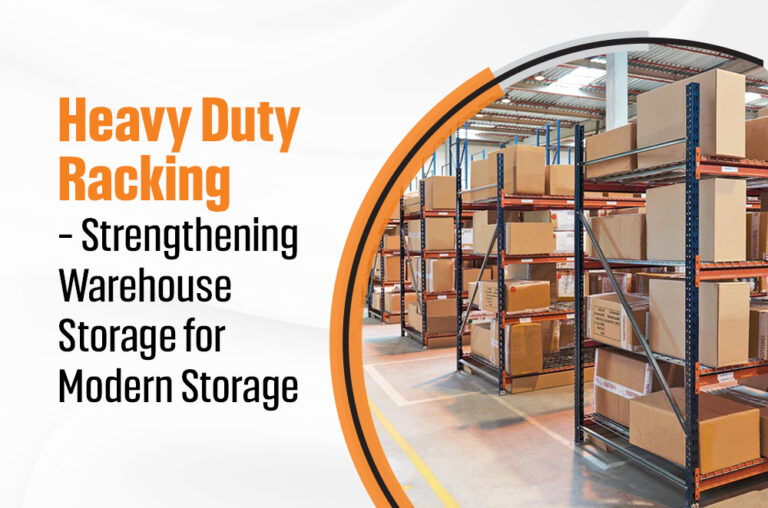
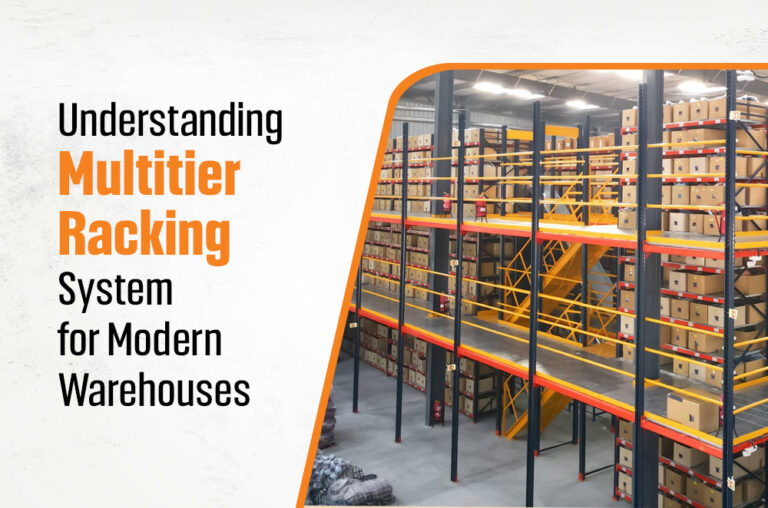
Introduction The modernized warehouse has the capacity to store a huge volume of inventory within a limited area. As the land value increases and the operational requirement rises, the industry is focusing more on expanding the vertical storage rather than horizontal expansion. A multitier racking system is considered one of the effective methods of addressing the space shortage challenge. Highly maximizing the available height of the building which increases the entire warehouse functionality. Utilizing the unused vertical space provides the building with a structured storage level and significantly improves the capacity without expanding it to the new building. It has the ability to create multiple storage floors in the building which provides better organization. Making the order fulfilment faster, high inventory control and adding value to the industry that deals with more inventory storage. Gives rapid inventory movement, contributes to the warehouse for the rapid inventory movement, smooth movement of material and saves the cost for the long term. The flexible design has the customization option to suit various industries and provides operational requirements. This comprehensive blog explains everything about multitier racking system including benefits, applications and future trends to shape the modern storage warehouse. Understanding Multitier Racking System A multitier racking system is designed as an advantageous storage to maximize the vertical space of the warehouse and create multiple storage level inside the single building instead of expanding into outward building. Also, it is converting the unused height of the warehouse to use as a organized storage and easily accessible by the workers. At the core, it is constructed with robust steel framework. Designed with a connection with staircases for secure and smooth movement. Unlike conventional racking system, it can be easily accessed with forklifts, suitable to handle a wide variety of items and high order volumes. It acts like a entirely separate storage floor, can pick the goods efficiently and avoids the disruption of ground-level operations. The structure includes the beams, frames and all the safety components like handrails. Provides stability, gives load-bearing strength and gives customization for every diverse industry. It is adaptable for diverse businesses, workflow patterns and ensures optimal performance. It allows to add more level or reconfiguring in the existing building as the storage requirement changes. The flexibility acts as a long-term investment and the combined intelligent design gives the practical answer to modern warehousing. Evolution of Warehouse Storage Solution Over the years, the multitier racking system has significantly improved supply chain demands and avoided space constraints. In traditional warehousing, it completely relies on basic shelving or single level racking. In these methods, there are more underutilized vertical space in the building and scalability is limited as the volume of the storing inventory is increased. As the product range expands in the warehouse, it has to seek smarter ways to improve the capacity without looking for additional land. This model came as a turning point in warehouse design by utilizing the vertical space and allowing to storage at greater heights. Still, the conventional method is more dependent on forklifts but the development of multitier racking offers more flexibility to vertical storage. Multitier racking is considered a strategic move in the industry which is designed around to increase workflow efficiency. It is creating multiple walkable levels in the same building and significantly raising the capacity of the storage & makes the accessible to the inventory easy. This evolution is closely rising the diverse industry including e-commerce and retail distribution. It has fast inventory picking, accurate order fulfilment and this broader trend give intelligent warehousing. The modern inventory management integrates seamlessly with the warehouse and has the ability for future expansion. The advanced multitier system highlights the scalability and long-term operational value. Structural Design and Engineering It is engineered with accurate structural design, high-performance and usage for long-term reliability. Unlike conventional shelving, it supports heavy loads, is equipped with high-grade structural steel and is carefully designed for the load-bearing components. It is a strong beam framework that distributes the load evenly and maintains stability across all tiers. Carefully assess the floor load capacity and avoid expected traffic patterns. Ensures each tier is safely under any volume of load caused by movement. Depending on the industrial application, it can be fitted for a diverse range of industries. Provides durability, slip resistance, anti-slip stair treads and complies with industrial safety standards. The precision allows it to remain scalable, designed for future expansion and enabling extended sections without compromising the integrity. This combination delivers flexibility and strength for demanding warehouse environments. Space Optimization and Storage Density The multitier racking system dramatically improving the space optimization of the building and the ability to raise the storage density significantly. In a different range of facilities, it is utilizing the large portion of unused vertical space and represents valuable storage. Converting the height of the warehouse into multiple functional storage levels within the same floor area. Reduces the requirement for costly warehouse expansion and is beneficial for urban and industrial zones. Enables the maximization of the cubic space utilization and contributes to the operational value. As a result, raising the storage capacity without increasing the warehouse footprint. Leads for better organization with define levels clearly for effective usage. Simplifying the stock identification avoids the wasted space in the warehouse. This systematic storage plan makes the management of seasonal inventory fluctuations easier. Reducing the time spent and shortening the travel distance to pick the storage goods in the warehouse. Wrapping Up A multitier racking system gives an approach to modern warehousing with the combination of space optimization for operational efficiency. Significantly increase capacity by utilizing vertical storage and reducing long-term operational costs. The customization nature of multitier racking adapts to various layouts and enables workflow requirements. Integrates with warehouse management to ensure reliability, picking accuracy and overall productivity. As warehouses continue to grow with growing inventory demands and remains a cornerstone of performing storage solutions. Reach Business Point International, UAE for various demanding racking and shelving solutions for the warehouse. Feel free