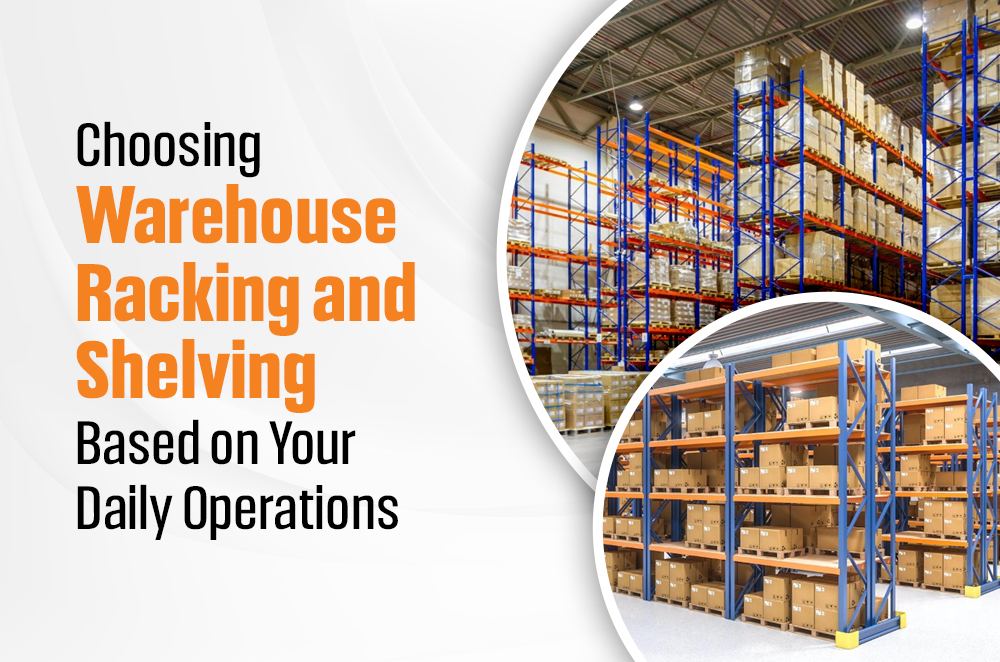
In most cases, the decision on the storage system to use in the warehouse is made depending on what is available or what the budget can afford at the moment. However, once the system has been put in place and operations resume in the warehouse, the problems begin. The materials cannot be easily accessed, movement becomes slower, and the warehouse cannot be utilized in the best possible way. This happens because the racking and shelving in the warehouse were not considered in terms of the operations in the warehouse. Every warehouse has its own operations. Some may be handling materials that move in and out of the warehouse on a daily basis, whereas in other warehouses, the materials may be kept for longer periods. Because of this reason, the system should be considered in terms of the operations in the warehouse rather than the general system.
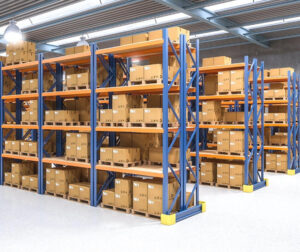
When the operations in the warehouse and the system used in the warehouse do not match, even if the system used in the warehouse is of good quality, the required results cannot be obtained. For instance, if the materials in the warehouse need quick access, the system may not be able to allow this if it was designed for high density storage. Similarly, if heavy materials are to be stored in the warehouse, the system may not be able to handle this situation. The handling of the materials in the warehouse may also be considered. Some warehouses use forklifts in the movement of materials from one point to another. Therefore, the racking and shelving in the warehouse should be considered in terms of the operations in the warehouse. Therefore, before looking at the various systems available in the market and the prices attached to them, it is important to first understand the operations in the warehouse.
What Are Your Daily Warehouse Activities?
Before choosing any warehouse racking and shelving system, it is important to step back and look at how your warehouse actually runs on a daily basis. This is where most businesses go wrong and end up bypassing the process and going directly to the selection process. However, without a clear understanding of the day to day running, it is possible to end up with a system that does not function efficiently. For instance, it would be necessary to understand the movement of the goods stored in the warehouse. If the goods are frequently picked and restocked, then it would be necessary to have a system that allows easy access. However, if the goods are stored for long periods, then it would be necessary to consider the optimized storage space.
You should also consider the type of materials being stored, because size, weight, and shape directly affect the kind of warehouse racking and shelving required. This is because the size, weight, and shape of the goods would affect the type of warehouse racking and shelving system to be used. For instance, the use of heavy goods, small goods, and long goods would require different approaches to the system. Additionally, the method used to move the goods within the warehouse would also be necessary to consider. If the goods are moved using a forklift, then the system would have to allow easy movement. However, if the movement is done manually, then the reach and access would also be necessary to consider.
Matching Warehouse Racking and Shelving to Real Workflows
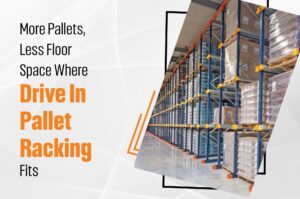
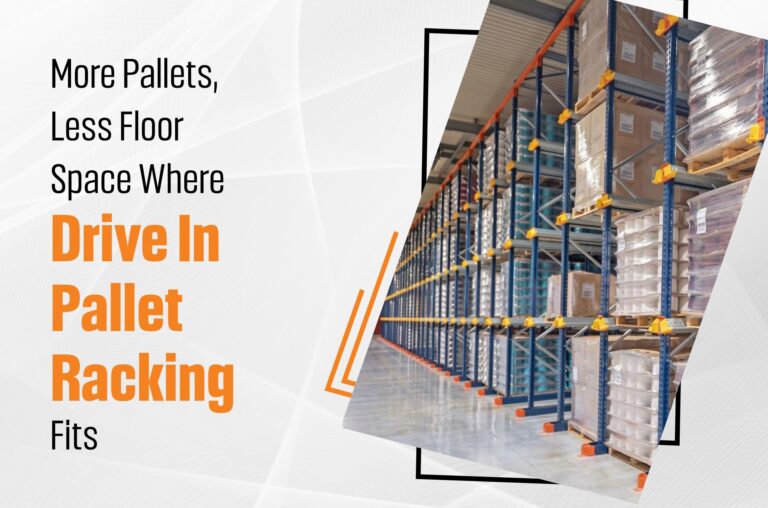
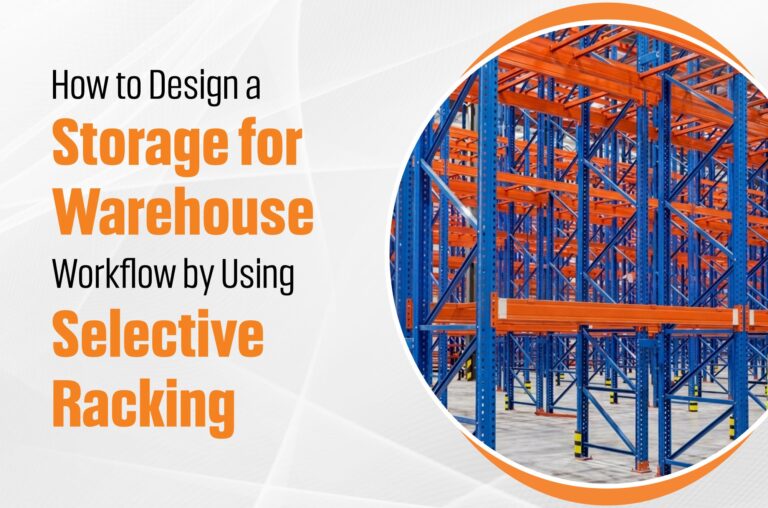
Once you have a clear idea of your daily operations, the next step is to select the appropriate kind of warehouse racking and shelving system. In this area, it is more important to think practically rather than technically. For instance, in warehouses where there are high volumes of goods in movement, it is always better to select a racking system since it allows access to all pallets. On the contrary, in warehouses where there are high volumes of similar goods in stock and movement is not so high, it is better to select high density racking systems like drive-in racks. Similarly, in warehouses where there are high volumes of long materials like pipes and sheets, cantilever racks are more appropriate, and for warehouses with small items like cartons, shelving systems are better.
The idea here is not to select racking and shelving systems based on general usage but on actual usage. Many warehouses have racking and shelving systems in place, which look efficient for general usage but are not appropriate for actual usage. This leads to difficulties and increased time spent during actual operations in the warehouses. When racking and shelving systems in warehouses are chosen according to actual usage, it enhances smooth movement in the warehouses.

Common Mistakes Businesses Make When Ignoring Operations
One of the most common mistakes that businesses make is choosing their warehouse racking and shelving without understanding the operation of their warehouse. This usually ends up causing overcrowding, where the racking is placed simply for the sake of maximizing the space. This causes inefficiency in accessing the stored goods. In other instances, the load capacity is not well thought through, which causes problems in the long run. Another mistake is the failure to maximize the use of the vertical space. This affects the efficiency and safety of the warehouse.
Another mistake is made in the warehouse layout. This is where the aisles are narrow without adequate consideration of the movement of the forklifts. This affects the day to day operations of the warehouse, where the operations team ends up working hard just to move around the warehouse racking and shelving. This ends up causing inefficiency in the operations of the warehouse, where the racking is supposed to make work easier, not harder. This is where the right warehouse racking and shelving come in.
How BPI Racks Helps You Choose the Right Warehouse Racking and Shelving
Choosing the right warehouse racking and shelving is not just about choosing the right product. This is where the right supplier can make a big difference. This is because, instead of choosing the right product, the focus is on choosing what works best for the operations of the warehouse. This is where the right warehouse racking and shelving can come in handy. A well planned warehouse racking and shelving can make a big difference in the operations of the warehouse.
BPI Racks takes a similar pragmatic approach to providing solutions for warehouse racking and shelving. This involves first understanding your needs, then laying out a plan to fit your operations. This continues through to selecting a proper solution and then properly installing it. This focus on long term usability instead of short term adjustments will prove beneficial for businesses looking to make better use of their available space while avoiding many common pitfalls that come as a result of poor planning. If you are looking for ways to improve or properly set up your warehouse, then you have come to the right place.
Conclusion
Choosing the right warehouse racking and shelving is not a one time decision based on availability or cost. It is a continuous process from understanding your business needs to developing a system that meets those needs without imposing additional steps. When done properly, it will enhance your business processes, minimize handling time, and help you steer clear of common problems that can impact productivity. The idea is not to mold your business processes according to the system, but always to look for a system that can mold itself according to your business processes. With the right kind of planning and assistance, racking and shelving for the warehouse can prove to be a big advantage for your business.