Companies that are working within smaller spaces for warehouses, and then it poses problems in terms of how they manage their operations on a day-to-day basis. The lack of organization will make it difficult to manage things since there will be unorganized products, cartons, and spares all over the place. It could take a long time to find the products, while other spaces go unused. Another by-product of poor storage planning in many workplaces is poor cleanliness and safety. Direct to the floor products can obstruct movement areas and cause confusion in loading or unloading operations.
 Why Low Duty Racking is Becoming Important
Low duty racking has emerged as a viable solution for companies with light duty stock loads in limited warehouse areas. Low duty racking isn’t just used for storage, it can be used to organize materials in a more structured and convenient manner than relying on the floor. This promotes more organization and also enhances visibility inside the warehouse. Low duty racking has another great benefit in that it optimizes the use of vertical space. More products can be stored without increasing the size of the warehouse. Meanwhile, operators can quickly retrieve the materials whenever they need it, allowing for easier operations on a day to day basis. Because of these advantages, many smaller warehouses are opting for low duty racking so that they can have a cleaner, safer and more organized storage area.
Understanding the Role of Low Duty Racking in Small Warehouses
Low duty racks are a valuable storage solution for those who have light duty stock in a small warehouse. Many small warehouses do not need large industrial storage system due to the less heavier of the products that are handled by the system. They therefore choose the low duty racking to maximize the storage utilization as well without complicating the warehouse layout.
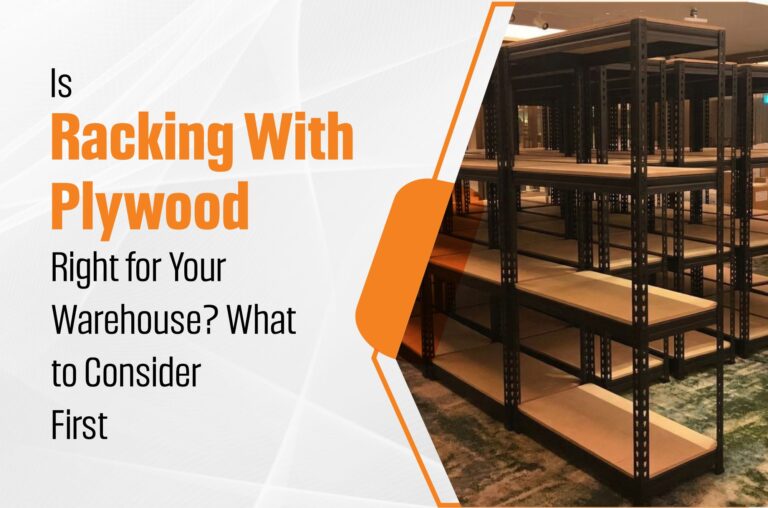
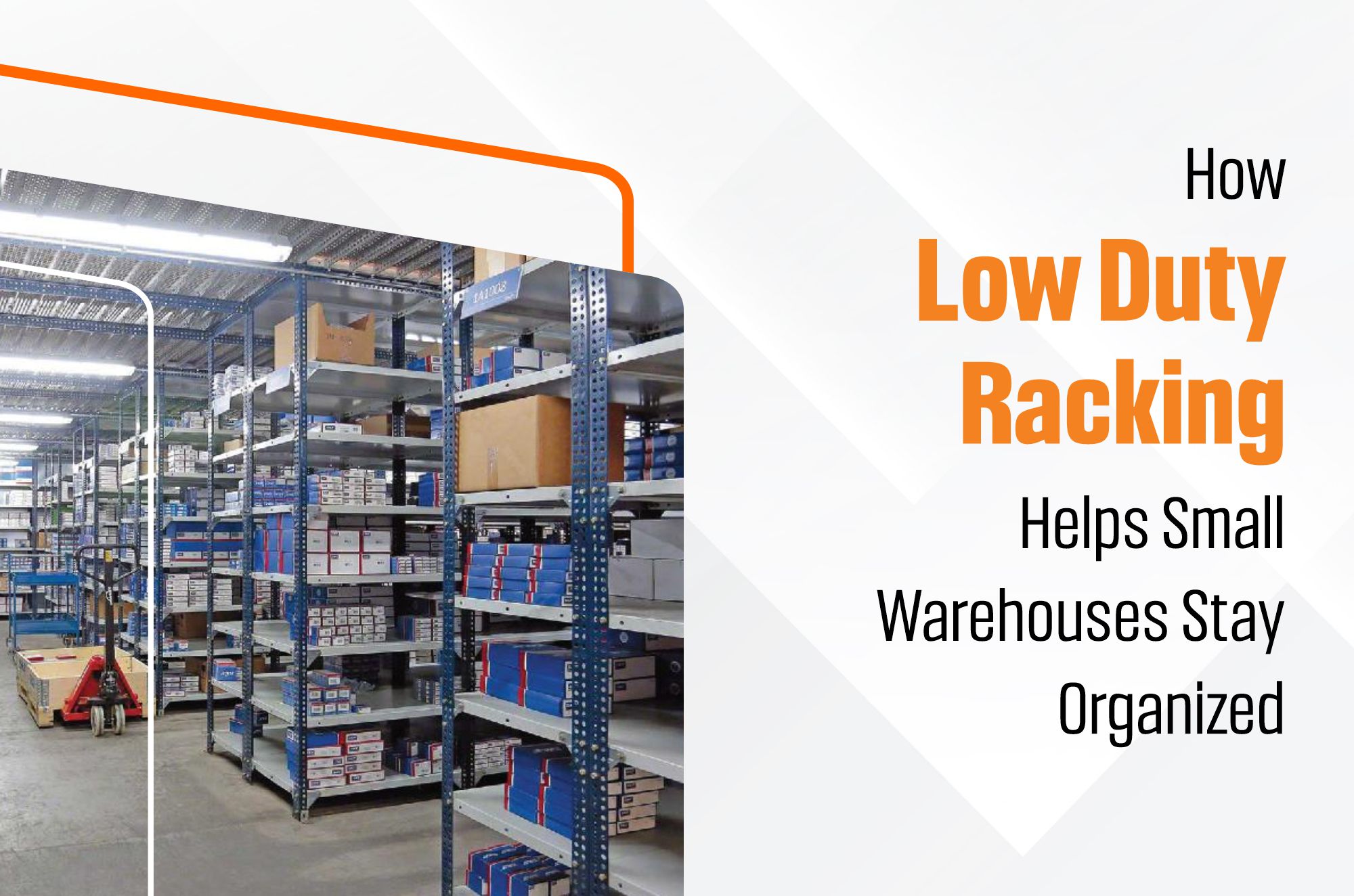
Low duty racking is typically employed for cartons, packaged products, office supplies, tools, spare parts and retail products. The system enables businesses to maintain products in a suitable order and allows employees to easily find and retrieve materials during regular business hours. A systematic storage system speeds up the speed of product handling and keeps the warehouse more orderly. One of the most common problems with small warehouses is the lack of sufficient space to store stocks and the constant flow of goods. Under these conditions, it is better for companies to make use of the vertical space by using low duty racking. Products can be not only stored on the floor but can also be placed shelf by shelf, making storage easier to manage and more clean. This also makes products more visible and decreases the amount of clutter in the warehouse.
Low duty racking is also the preferred option due to its versatility. Businesses can set up shelves as per their needs, size and quantity of stock. Depending on changing inventory needs, the storage system can be quickly rearranged with minimal changes. Low duty racking is ideal for warehouses looking for functional and versatile storage solutions for their everyday operations. If the warehouse is well organized, the flow of work and productivity will be better. Low duty racking allows workers to move goods efficiently, and find inventory without having to waste time looking. Due to these benefits, low duty racking is becoming a fundamental requirement in modern day small warehouse management.

How Low Duty Racking Improves Warehouse Organization
Low duty racking assists small warehouses to be better organised so that products are stored in a structured and accessible manner. With proper storage in place employees can easily locate and access items. And avoiding the need to rummage through overcrowded storage spaces. This enhances every day workflow and facilitates a more efficient operation of the warehouse. One of the common problems faced by many small warehouses is the lack of space on the floor. Low duty racking can, however, be used to make effective use of vertical storage without compromising on the movement area. The products can be placed shelf by shelf, thus giving a cleaner and less cluttered working warehouse. This means that companies can keep more stock in their warehouses and not appear cluttered.
Low duty racking also makes it easier to see the inventory. This means products are still maintained in order, which makes material handling and stock checks easier during the day. When it comes to warehouse workspaces, clean storage layouts can help minimize clutter, enhance workplace safety and promote improved productivity for workers. Due to these benefits, many companies make use of low duty racking to develop organized, space efficient and convenient to keep storage systems in small warehouses.
Industries and Businesses That Commonly Use Low Duty Racking
Low duty racking is suitable for handling lightweight materials in a clean and efficient way, therefore it is widely used in retail stores, offices, workshops, stock rooms and small warehouses. Low duty racking can be used in retail storage for packaged items and for stock in retail shelving; it can be used in offices for files, office stationery and archiving. Low duty racking is also ideal for small warehouses and workshops to organise cartons, spare parts and tools logically. Low duty racking is also compact and flexible, easy to manage. Thus making it a popular choice among businesses to enhance their everyday storage processes and space utilization.
Important Features That Make Low Duty Racking Practical
Low duty racking is a very common type of racking that most businesses use simply for the ease and convenience of storing the products daily. Depending on the product being displayed, the shelves can be moved to accommodate different types of light stocks. The design is also space efficient, and compact, making it suitable for small warehouses and/or storage rooms where space is limited. Products remain arranged and easily accessible, helping workers handle loading, unloading, and inventory movement more efficiently. Products are maintained organized and easily accessible, making loading, unloading, and inventory moving smoother for workers. Practical features ensure low duty racking is a reliable storage system for organized warehouse management.
Conclusion
The need to organize stock effectively is becoming increasingly important for the operation of small warehouses, especially considering that many stock more inventory day in day out to ensure continuous operation. The use of low duty racking allows organizations to make good use of space available while keeping stock organized. It can enable organizations to increase efficiency and improve productivity and safety by ensuring better visibility and easy access to the stock stored in their facilities.
Low duty racks are ideal for use in stores, workshops, office, stock rooms and small warehouses as they offer effective solutions in storage, efficiency and organization. This can enable organizations to organize their storage space effectively thereby making sure that they manage their inventory effectively and sustainably. BPI Racks offers quality and durable low duty racks that meet today’s warehousing requirements. By ensuring that businesses adopt racking systems that maximize the efficiency of storage, BPI Racks ensures that business organizations optimize their storage space and processes. Visit BPI Racks or contact the team to find the right low duty racking solution for your storage needs.