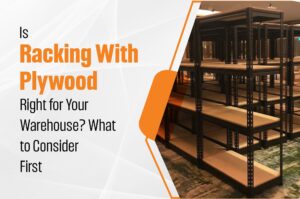
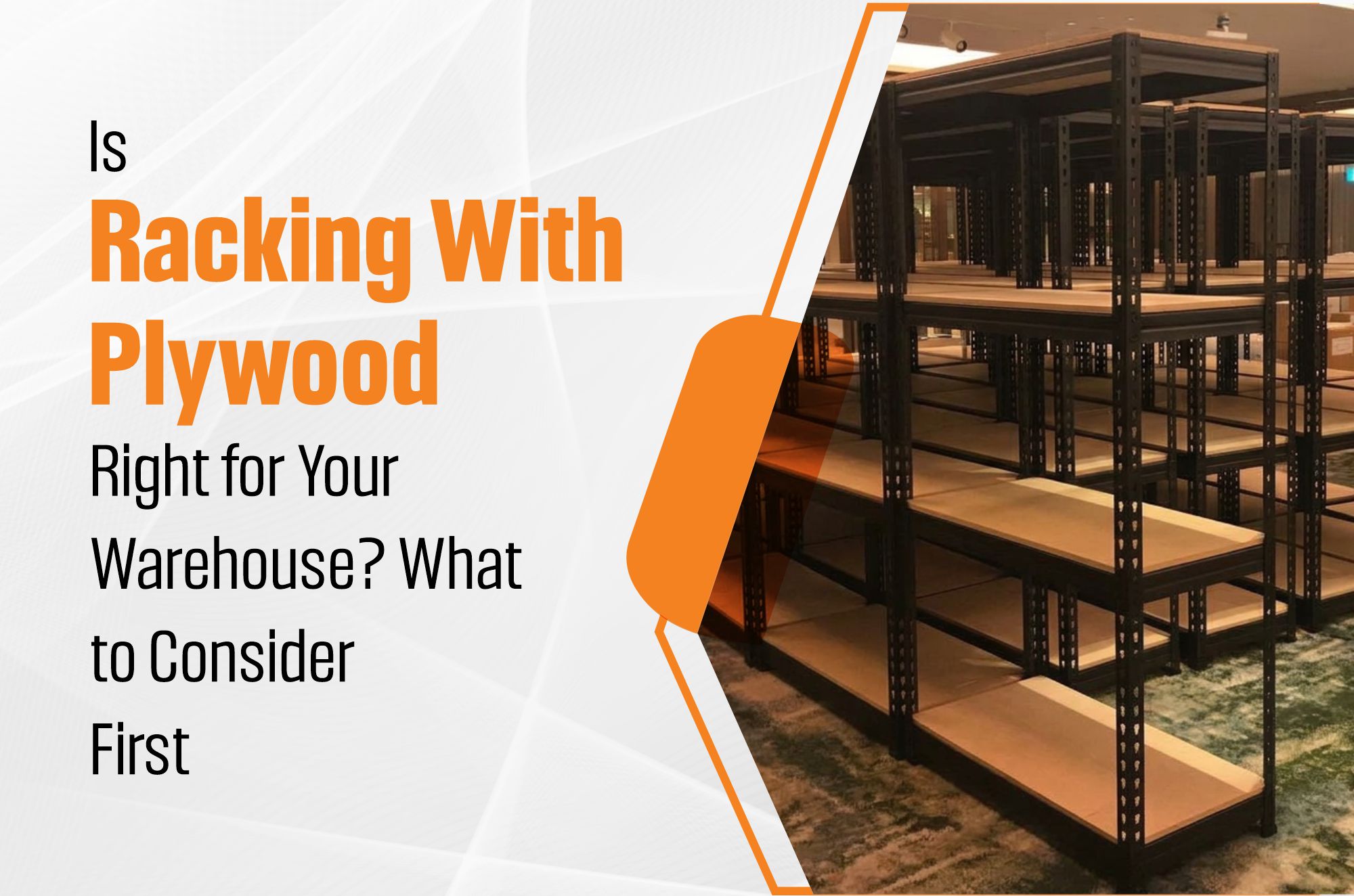
The feeling of space shortage can happen well before it actually does. Cartons begin to accumulate on the ground, smaller items are covered by larger stock, and workers end up spending more time searching than storing. Meanwhile, precious vertical space could be going unused. This is where racking with plywood can be used for racking. An optimally designed rack can convert unused space into usable storage and provide products with a designated level on each shelf. However, not all warehouses need plywood racking. A better question to ask is whether its shelf design, load capacity and layout are suitable to the way you store and work with your products in your business. It is important to consider what you store in a system, how you use it and how much space you have and can use.
 What Does Racking With Plywood Actually Offer Your Storage Operation?
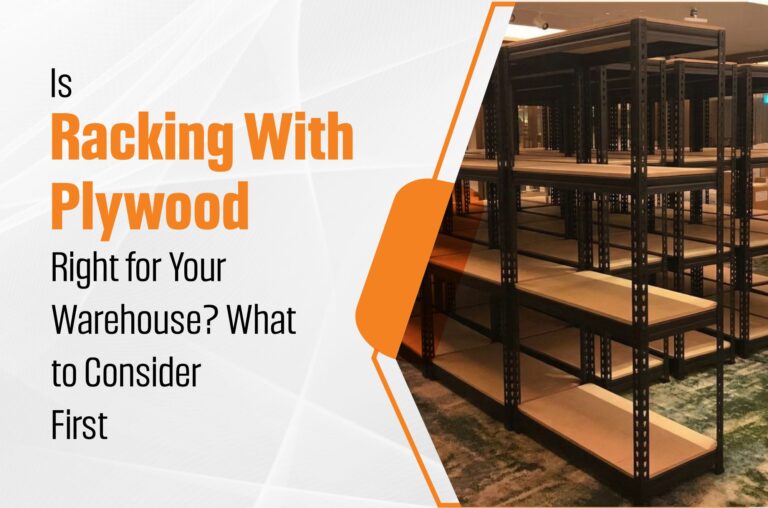
Racking with plywood combines a steel rack structure with plywood panels fitted across the storage levels. The panels are connected to form a continuous surface, which can be beneficial where cartons, boxes, spare parts or smaller items cannot fit easily on open beams. The actual benefit is not just the plywood itself. Manual picking can be made easier and smaller products won’t fall through openings or sit unevenly on a solid shelf. It also provides businesses with more flexibility in the way they can structure their products of various shapes and sizes in the same storage space. Decking cannot be viewed on its own. The frame, supports, shelf span and the expected load all influence the design of the system. Just because the panel is thicker, this does not make a rack appropriate for heavy storage. The entire setup should be tailored to the specific needs of the warehouse.
What Are You Storing, and How Heavy Is It?
The first step of the right racking system is to begin with the products and not the rack. When deciding on racking with plywood, consider the items that each shelf will contain. A small electrical component warehouse is different from a large warehouse where cartons or spare parts are stored. The first thing you should do is to measure the weight and size of your products. Next, think about what the amount of stock will be on one shelf at its peak usage. Shape of the product is also important. Smaller items like boxes may require a continuous surface, while larger items may require a different layout for the shelves. There is access frequency, too. Purchases should be made accessible to workers on a daily basis. Low velocity stock can be stored at higher levels, if appropriate.
This information is used in calculating the size of the shelves, the spacing between the shelves, the specification of plywood and the size and configuration of the rack. Providing your supplier with the correct details of your stock can help avoid the pitfall of ordering a rack that is suitable for the warehouse but not for the products you are storing in it.
Can Your Warehouse Layout Actually Support the Racking You Need?
A rack can be on the floor and not a good fit for the warehouse.A rack may be on the floor and not a good fit for the warehouse. The amount of useful storage capacity available depends on the available height, access points and movement around the storage area. If you plan these items in advance during installation, it will create a system that utilizes the space efficiently and does not work harder for every day of warehouse operations.
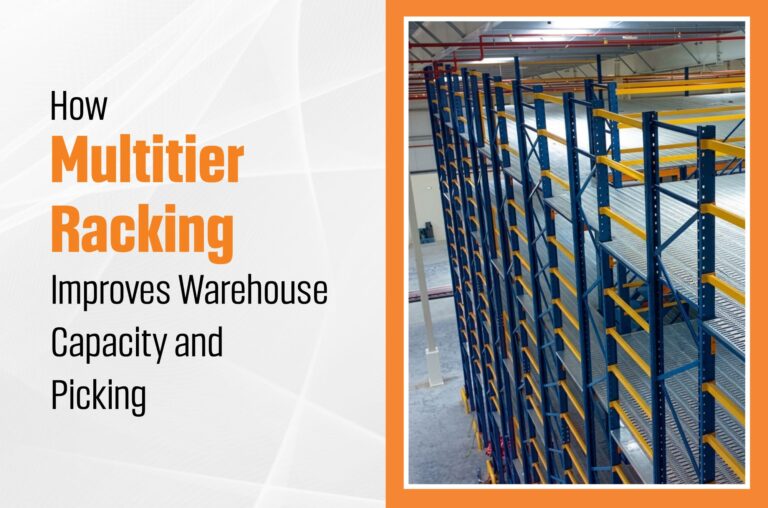
Assume given dimensions of the floor and the ceiling height. Next, review doors, columns, loading areas and existing equipment that may impact the rack layout. Aisles are another area that should be addressed. Adding an extra layer of storage could create a new workplace challenge if the employees are unable to maneuver or access the products without interference. One benefit of vertical space is that it may be especially useful. By planning the rack system and using the available height to provide additional storage levels, the inventory space can be utilized in a more efficient way. However the objective should not be to “pack in” every possible space. The layout must be sufficiently large for picking, re-plenishment and movement.

Is Plywood the Right Decking for Your Working Conditions?
If the products require a firm continuous shelf surface then plywood can be a practical material for decking. It is suitable for a large number of dry indoor storage applications, such as cartons, boxes, spare parts, components etc, which are accessed by hand. Products may be directly laid on the surface without relying on limited supports.
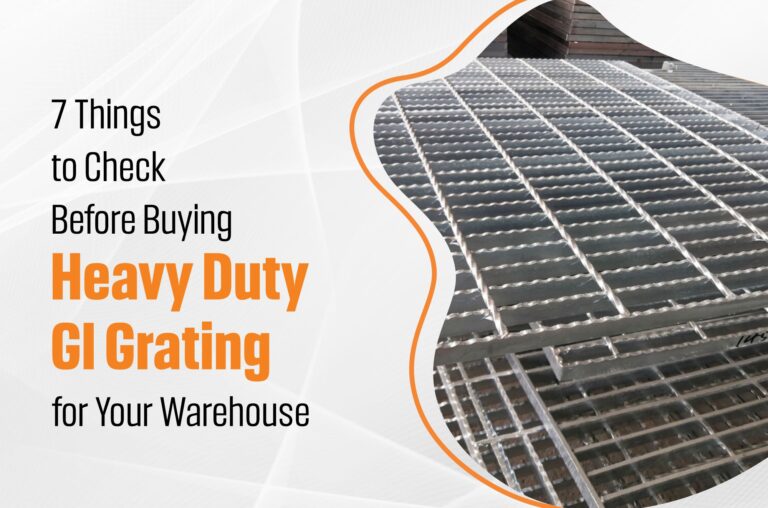
However, conditions of storage are important. Another deck material may be appropriate if your warehouse is exposed to a lot of moisture, needs a constant airflow across the shelves or for certain industrial storage requirements. Wire mesh or steel decking may have varying properties, depending upon the application. The way that it is handled also plays a role. Solid plywood shelves can be used in a manually operated storage area, whereas a warehouse primarily designed for pallet movement and forklift truck operations may need a different method of racking.
Rather, the selection shouldn’t be made based on the content material alone. Take into account the goods along with the handling and the environment. If your warehouse’s working conditions are similar to the properties of plywood, it makes for a convenient type of racking.
What Should You Check Before Buying Racking With Plywood?
Quotes provide the price, but they don’t necessarily inform you whether the desired system is suitable for your warehouse. Be sure to let the supplier know the intended use of the racks prior to ordering.
Begin by looking at the load requirement. Question the maximum weight allowed on each shelf and if it is for the entire rack setup. Check the Plywood specification and NOT the thickness of the plywood only. The size of the racks should also be based on the size of your products. A needless deep shelf may make products more difficult to reach and unnecessary space between shelves may be lost. Inquire about how many useful storage levels the design can offer and if workers can comfortably access these levels. Last but not least, think about what would occur when your business grows! It might be better to have a system that can be expanded or reconfigured later if the inventory changes than to have one that fits current needs. The objective is to keep it simple: do not purchase a rack simply due to budget restraints. Purchase storage system that suits your operation.

So, Is Racking With Plywood Right for Your Warehouse?
When you want solid surfaces on racks in your warehouse, want to maximise the use of vertical space and have well organised access to cartons, boxes, spare parts or other manually managed products, then racking with plywood can be a sensible option. It can be very helpful when products are of different dimensions and require adaptable levels on the shelves. But, for every storage operation there is no universal rack. The choice should be based on the weight and size of the products, their frequency of use, the space available in the warehouse and the environment in which the system will be used.
This is one of the reasons why it is important to select the right configuration as well as the right decking material. A well designed system can help you manage available space in a manner that allows you to access it with ease, and without making picking and storage an arduous task. Whether you have limited space, need extra capacity for your products or want to enable your operations with extra storage. At BPI Racks we can help you plan it all around the space you have. If you’re thinking of racking with plywood for your warehouse, discuss a configuration with our team that would work for your application.