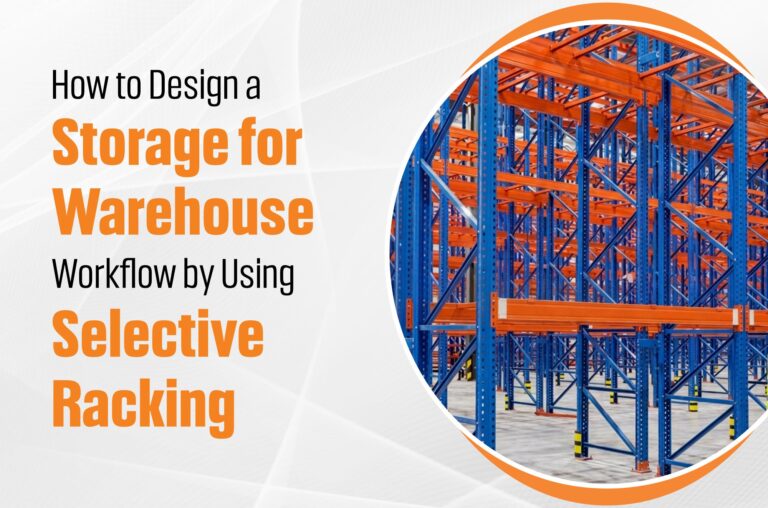
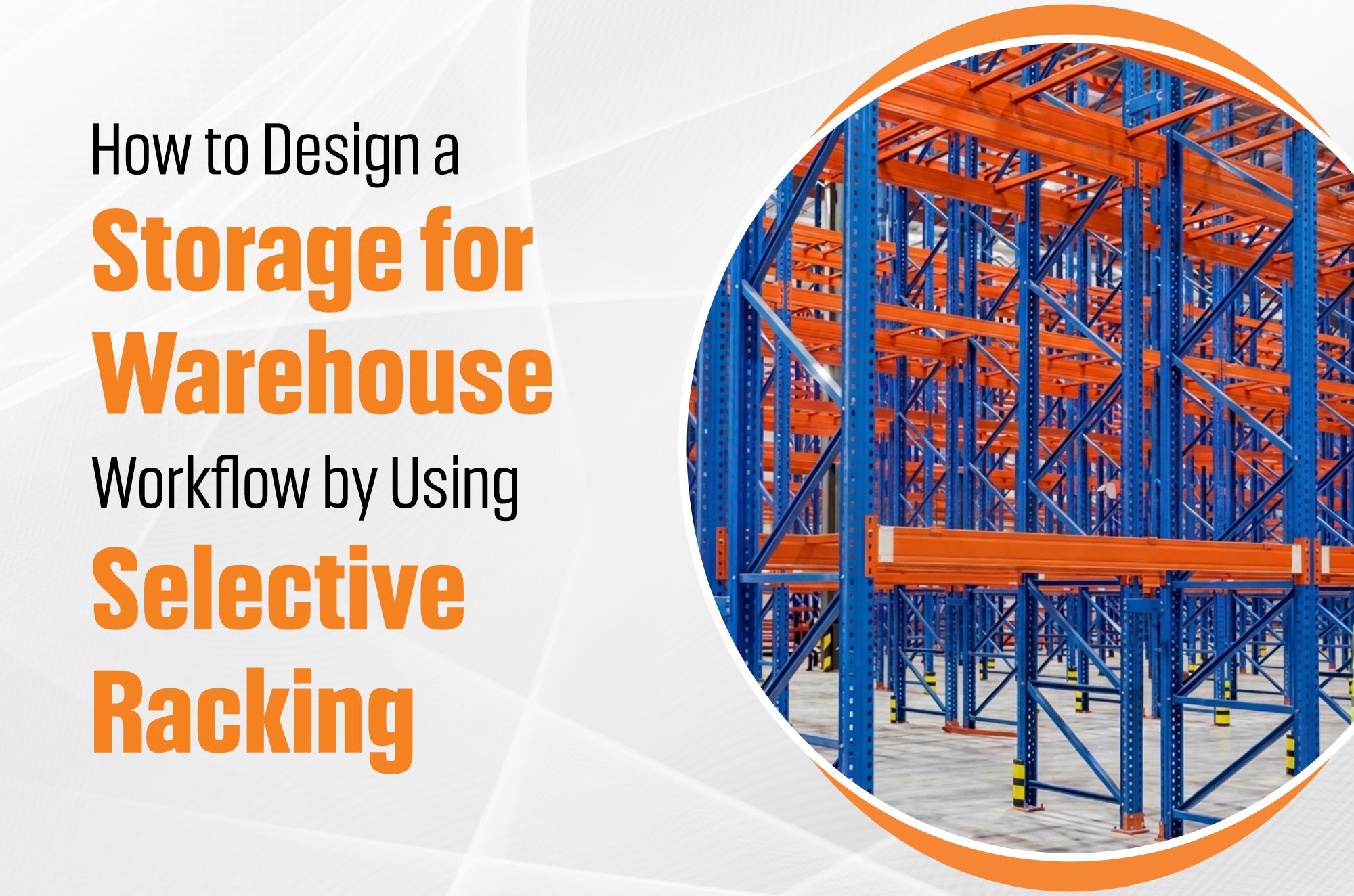
Modern warehouses are expected to store more products while maintaining faster inventory movement. Selecting a storage solution that meets the needs of daily operations has become a significant aspect of the improvement of daily operations. This is where selective racking comes in handy. It can be used to free up space in storage areas, make them easier to access, and streamline the organization of storage space for businesses to meet current needs and future expansion.
 Rack Layout Changes How Your Warehouse Works
This selective racking layout should be based on warehouse movement and not storage capacity. Businesses should first know what happens to products when they are receiving, staging, in storage, picked and dispatched before they begin to move more pallets. The layout of rack rows, aisle width, and storage levels may have a direct impact on day-to-day operations. These factors should all be taken into account when planning a forklift movement, pallet size, rack height and building restrictions. Product placement is also a key consideration. Generally, inventory should be kept at the most convenient location if it is frequently used, and less frequently used items can be kept less conveniently. Simultaneously, the space needs to be accommodating enough to allow for expansion and adapt to inventory needs as they evolve. The well-planned selective racking system offers a balance between storage, accessibility and the flow of the warehouse.
Start With Your Inventory, Not the Storage System
When picking the right selective racking system, one might not realize the impact of choosing the wrong racking system and end up wasting space and storage efficiency. First, you need to determine what you need to store, to help you decide on the size of the rack you will need.
These are some of the most significant parameters such as pallet size, load weight, product height, SKU count, and number of pallets for each product category. These details can be used to help decide what is the best way to store them. Planning should also include inventory moving. Racking configuration and product placement may be affected by the speed of products, slow moving stock, and stock rotation requirements. The layout of a selective rack needs to be designed to meet the needs of the inventory and help accommodate future growth. Real-time inventory data makes warehouses easier to organize, manage and grow.
Choose Selective Racking Based on Pallet Movement
While selective racking is designed to store an inventory, not all warehouses will store in that manner, so the choice of selective racking should be dependent on how pallets are used, not on the volume of inventory stored. High SKU warehouses often need to access the products faster. Under such conditions, direct access to the pallets is more useful than merely providing more storage in the same size space. This also applies if the facility is involved in a lot of loading and unloading during the day. Changes in the inventory patterns should also impact on inventory decisions.

Changes in the product can have a rapid impact on warehouse operations, whether these are new products, seasonal demand, or growing product lines. Flexible selective racking configuration facilitates easy reconfiguration of storage without having to disrupt the entire system. Another crucial factor is stock rotation. All pallets can be accessed directly, which allows companies to manage their inventory more efficiently and have greater control over product movement. Selective racking that is used in accordance with the actual pallet usage is the best way to build a warehouse that is efficient and will thrive in the future.
Common Planning Mistakes That Reduce the Value of Selective Racking
Although a good selective racking system can provide a good result, if planning takes no account of the essential operational factors. You would be surprised at the number of warehouses that choose a storage system before they assess their needs first. One of the most frequent pallet problems is the wrong size measurements. If rack sizes are not matched with the size of pallets, the height of products to be stored, and the weight of products to be loaded, it can cause wasting of space and ineffective use of the racks.
The other mistake is not considering forklift movement. Adequate storage positions are important, but if there is not enough room for people to turn and maneuver in the aisles, then it can slow down daily operations. Many companies also practise the same storage for all products. But, depending on inventory movement and handling frequency, the priorities for storage vary among different SKUs. Lack of consideration for the type of product being displayed can cause long term problems. A selective racking system design should be engineered to maximize access to the racks, while also accommodating future growth and evolving warehouse needs.
From Warehouse Measurements to the Right Selective Racking System
The first step in selecting a selective racking solution is to have an accurate plan. It should begin by determining the warehouse space to be used: pallet size, ceiling height, load, and floor size. The next step is the classification of the inventory. Products should be stored in similar groups based on SKU quantity, storage space, handling/sales frequency and stock rotation. This information helps businesses determine the number of pallet positions they need for their everyday business.
After the storage needs are established, the layout of the warehouse can be set up through the definition of rack height, aisle width, access points, and product positioning. But this is not the final step! All selective rack designs need to be tested to confirm the design is compatible with equipment movement, pallet handling and future expansion. Installation is the last step in a much longer planning process. With a structured approach, selective racking is no longer a solution for space management but is a long term storage investment for a business.