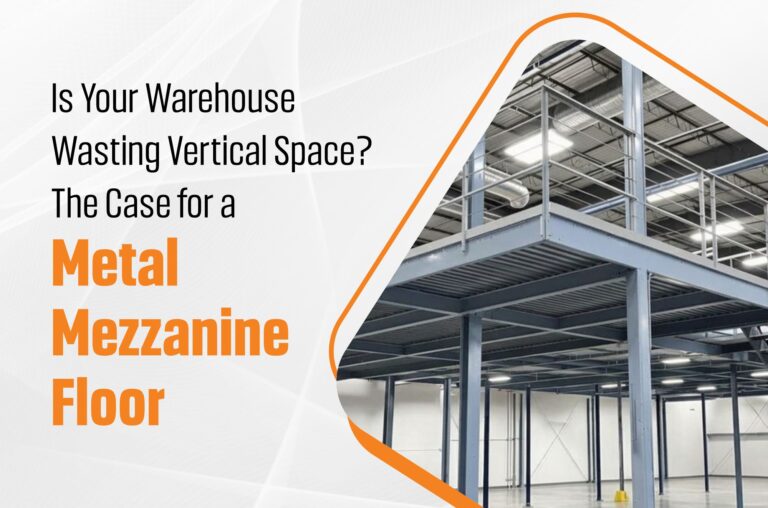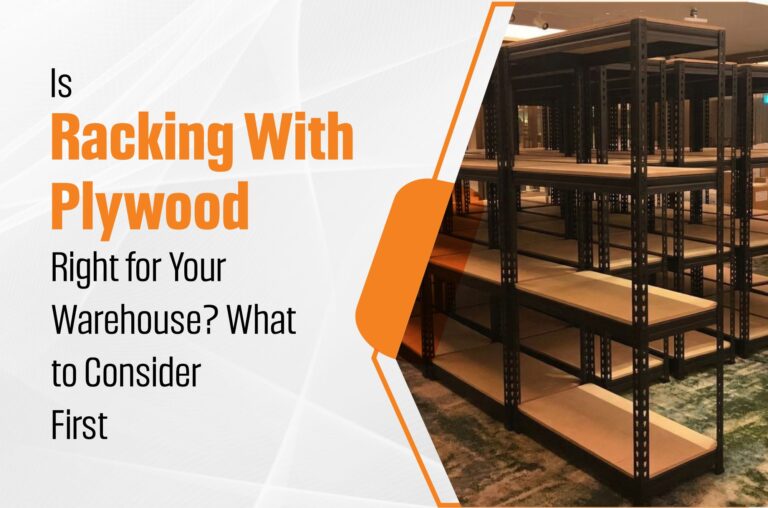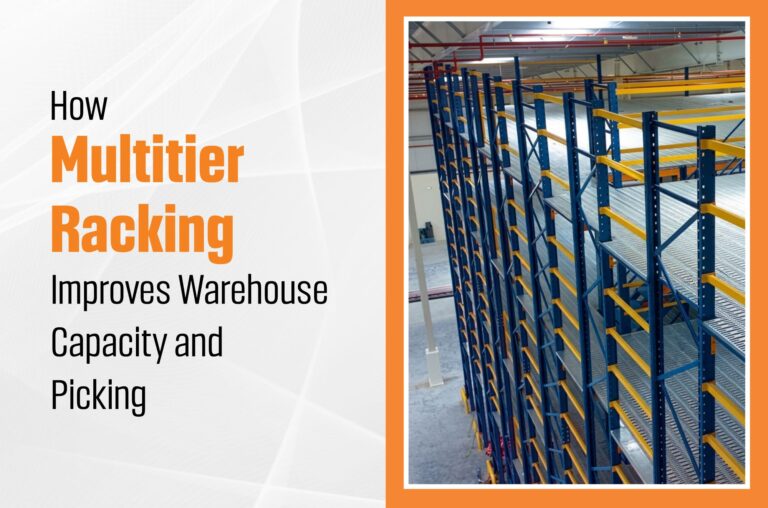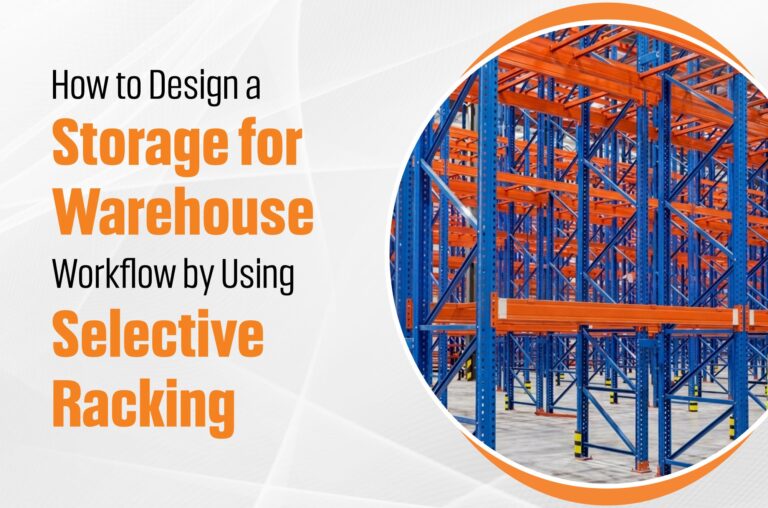
At a certain point, many businesses find their warehouse starts to feel cramped with each new shipment. Pallets are put on the aisles, temporary areas become permanent, and workers end up carrying inventory instead of customers’ orders. Initially, it makes sense to lease a bigger warehouse. But the issue of a lack of space can be a lack of storage efficiency. In a lot of warehouses, there are valuable vertical spaces that remain unused and products still spread on the floor. This reduces space, slows down business operations and complicates inventory management every day. It’s best to evaluate current warehouse usage before investing in increased rent and a larger warehouse. Heavy duty racking systems can often provide an excellent return on investment in terms of extra space available in the warehouse, with no need to expand the footprint.
Why Expanding Your Warehouse is Not Always the Smartest Investment
Leasing a larger warehouse may solve today’s storage challenge, but it also introduces new operating costs that continue long after the additional space is occupied. Rent costs, utility bills, longer distances within the facility, and extra maintenance becomes a part of the business. The more the warehouse expands, the more time is needed to move the goods from one place to another, thus impacting the productivity of receiving, storage, picking and dispatch.
 One factor, which is often overlooked by businesses, is. If it’s not working as efficiently in a smaller building, then it’s not going to work as efficiently in a larger one. A lack of proper organization of products only delays the problem rather than solving it, and results in wasted floor space. The warehouse still can experience congestion, slower order preparation and under utilised storage areas. It is important to consider if the existing warehouse is maximising its storage capacity before committing to a larger warehouse. In many cases, better inventory storage practices can provide the extra space requirement without disrupting current operations, and keep them efficient and ready to handle the growth.
Storage Capacity You Need May Already Be Above Your Head
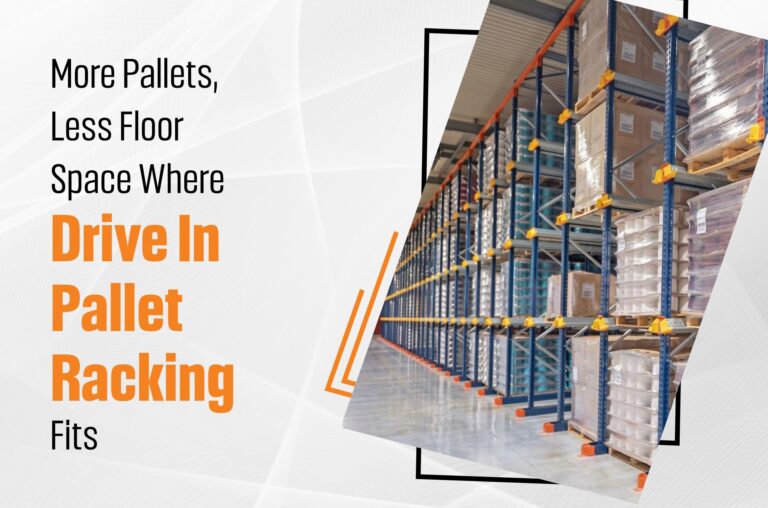
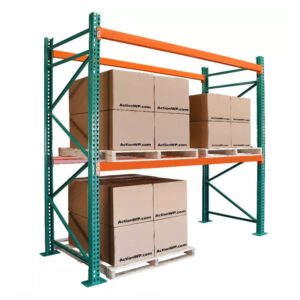
The area above a warehouse’s floor is one of the most underutilized assets. Products still fill up the valuable ground level space, and the height that is available is frequently not used. This vertical space can be optimised for a more extensive storage capacity without altering the building size. Heavy duty racking is a better investment than another piece of furniture in the warehouse, as it helps achieve this. A properly designed racking system will enable pallets to be stored safely on several levels and accessible to all storage areas. Instead of having goods on the floor or temporary store areas, inventory may be stored in an organized system that would facilitate quicker movement and facilitate inventory organization. Product searching times are reduced for warehouse teams, forklifts can navigate through well defined aisles and valuable floor space is maintained for day to day operations.
The more the stock builds up, the easier it is to keep an organized system of storage and avoid handling mistakes and inaccuracies. Instead of building outwards, businesses can add more storage space to the current facility, and build an efficient warehouse that will continue to serve the changing needs of their operations.

Better Storage Creates Better Warehouse Performance
Having plenty of space is not enough to make a warehouse efficient. The speed and safety of stock moving from receipt to delivery is of critical importance to every aspect of the operation. Heavy duty racking systems that are structured are more predictable and much easier to manage when products are stored daily.
Receiving teams can drop goods into receiving areas without having to create temporary storage areas. Products are organised and easily accessible, which saves warehouse staff from spending time trying to find products. Storage positions are also clearly defined, making stock easier to see, check and reducing the risk of lost stock. These enhancements bring consistency in productivity as the order volumes grow, without any additional burden on the workforce. The advantages don’t stop at operational efficiency. Well supported pallets minimise the risk of product damage resulting from unstable stacking or from multiple handling. Properly designed aisles create safer forklift and warehouse moving by reducing the likelihood of work site incidents. As demands keep increasing, businesses no longer have to worry about constantly adapting to storage space and get a warehouse that facilitates smoother workflows, faster order fulfilment and smooth performance.
Signs Your Warehouse is Ready for a Smarter Storage Solution
Not every warehouse needs a larger building, but every growing business should evaluate whether its current storage system is supporting future demand. If pallets are routinely placed on walkways, products are placed directly on the floor or workers are finding it difficult to find a place to store, this is a clear indicator that the warehouse layout is actually more of a hindrance than a help in terms of productivity.
The first step in planning the appropriate storage solution is to grasp the daily processes. Factors such as the weight and size of stored products, pallet size, forklift operations, ceiling height and the anticipated growth of stored inventory all affect the optimal warehouse design. A well designed heavy duty racking system should not only satisfy the demands of the present, but should also be flexible enough to allow for future extension of the structure should this be necessary, with minimal structural changes. The planning of a warehouse is also important. Aisles and rack heights and load capacity should be designed to optimise loading and unloading and to ensure safe usage of the space. Investing in a solution that’s built to fit your business creates long term value for your warehouse and helps it stay organised, productive and ready for volume growth.
Make Better Use of Your Warehouse Before Expanding
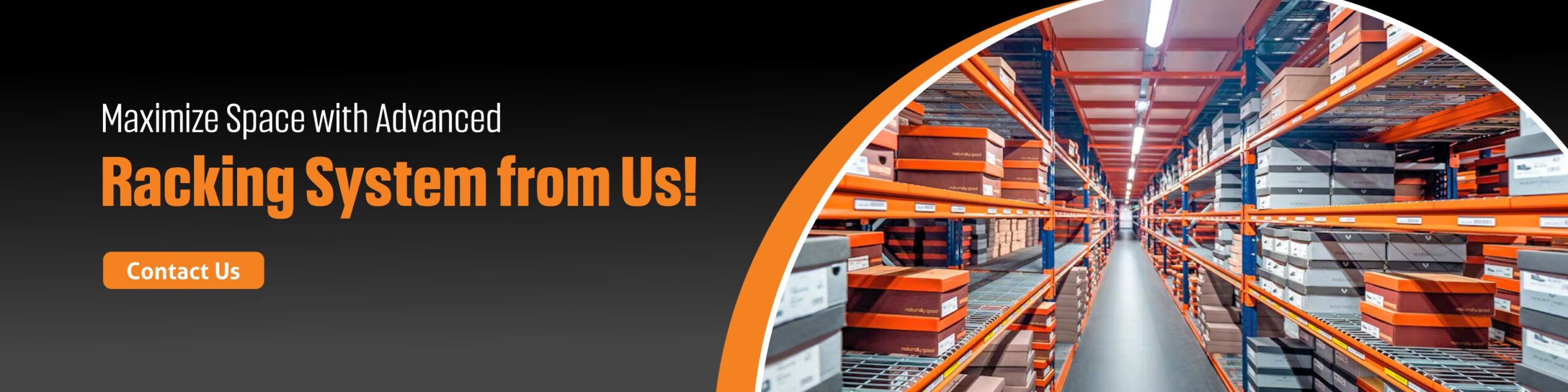
But when storage space runs out, this doesn’t always mean people need to move to a larger warehouse. In many instances, it is preferable to make a better investment in the current facility, as far as storing and managing inventory.In many cases, the better investment is improving the current facility, as far as managing and storing inventory. By implementing a well designed and structured heavy duty racking system, businesses can enhance their storage capabilities, streamline their operations, make their inventory more accessible, and contribute to long term growth.
It’s as important to select the right system as it is to select the right storage partner. At BPI racks, we provide heavy duty racking in Dubai systems designed to fulfill the requirement of the manufacturing units, logistics centres, distribution warehouses, and industrial companies. Our solutions range from warehouse assessment and layout planning to professional installation, ensuring you make the most of your space and have safe, efficient and scalable operations. When evaluating a new warehouse lease, factor in potential for additional space from existing buildings. The right storage solution today can bring long lasting operational value for years to come.