Your Pallet Count Is Not Enough to Design Shuttle Racks
A warehouse may begin its storage planning with one number: the total pallets it needs to store. But 5,000 pallets can create very different requirements depending on how those pallets are distributed. A warehouse with 100 SKUs and high quantities per SKU will need a different storage approach from one handling thousands of SKUs with only a few pallets of each product. This is why shuttle racks should be planned around the inventory profile rather than pallet count alone.
SKU quantity, pallets per SKU, peak inventory, batch requirements and expected growth can all influence lane allocation. Seasonal businesses also need to consider their highest stock level rather than designing only around average inventory. The objective is not simply to fit the maximum number of pallets into the building. The storage lanes should also match how products enter, remain and leave the warehouse. Understanding that inventory pattern first gives the rack design a more practical foundation.
 Lane Depth, FIFO or LIFO Can Change the Entire Design
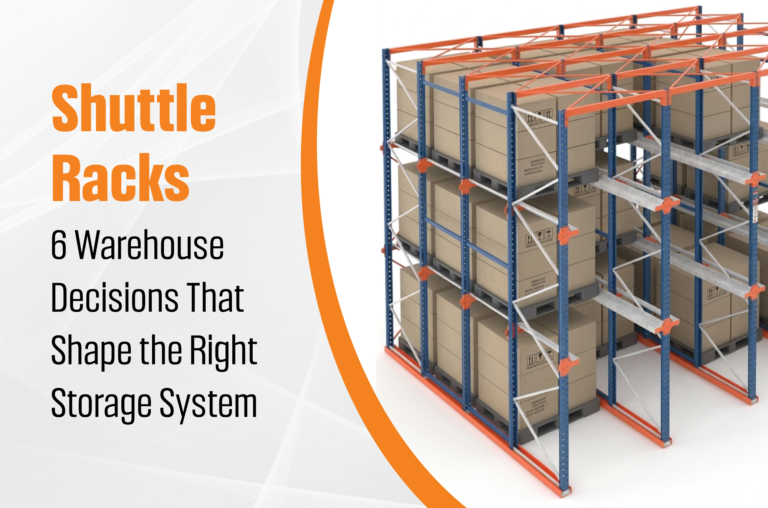
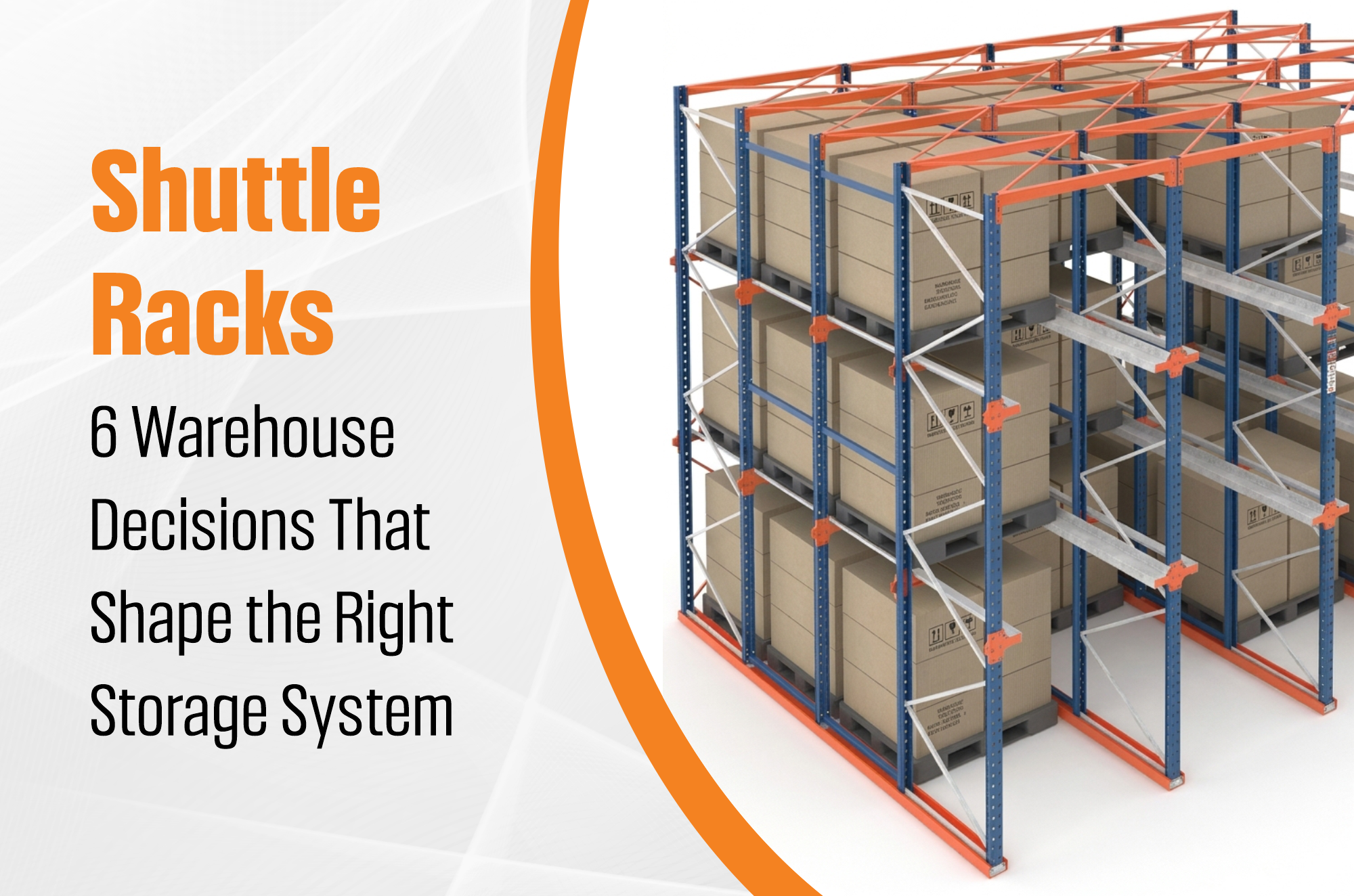
Once the inventory profile is clear, lane depth becomes an important design decision. Deeper lanes can create more storage positions, but maximum depth is not automatically the right choice. Pallet movement, stock rotation and retrieval requirements all need to be considered before deciding how deep the lanes should be. Inventory rotation can influence this decision too. A business handling products with expiry dates or batch requirements may need FIFO, while certain bulk storage operations may work with LIFO. The physical arrangement of the shuttle racks should support the way the business manages its stock.
The better approach is to balance density with access. A warehouse may gain more pallet positions from deeper lanes, but those positions only create value when the stored inventory can be managed efficiently. Lane depth should therefore be selected according to the products, movement pattern and operating requirements rather than storage capacity alone.
Can Your Storage System Keep Up With Your Warehouse?
Storage capacity and warehouse throughput are not the same thing. A facility may have enough positions for its inventory but still face delays if a large number of pallets need to move within a short period. Consider a warehouse where most dispatches happen during a few busy hours. Its shuttle racks need to support that movement pattern, not just the total number of pallets stored. Daily receipts, dispatch volumes, peak movements, working shifts and forklift availability can all influence the required configuration.
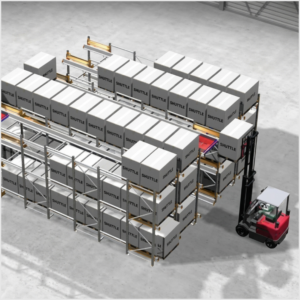
The forklift also remains an important part of the operation. It can deliver pallets to the rack entrance while the shuttle moves them within the storage lane. The objective is to make these movements work together rather than treating storage and handling as separate activities.
For this reason, the proposed system should be evaluated against peak operating conditions. The real question is not only how many pallets can be stored, but whether the required pallets can be moved when the warehouse needs them.
What Happens When the Warehouse Does Not Run Perfectly?
Warehouse planning should also consider the conditions that fall outside the ideal workflow. Pallets may arrive damaged, loads may vary in stability and shuttle equipment will eventually require charging or maintenance. Pallet consistency is particularly important because shuttle racks are designed around specific pallet dimensions and load requirements. Businesses should confirm that their pallets, loads and handling practices are compatible with the proposed system before installation.

Equipment planning matters as well. The warehouse should understand its battery charging process, maintenance requirements and procedure for handling a shuttle that temporarily becomes unavailable. These considerations do not make the system complicated. They simply ensure that the operation is prepared for normal variations. A reliable shuttle racks project therefore looks beyond the rack structure itself. Pallet quality, equipment care and recovery planning should all be considered before the system becomes part of the daily warehouse operation.
What Should You Ask Before Approving Shuttle Racks?
Before approving shuttle racks, do not compare suppliers only by pallet positions or rack dimensions. Ask what assumptions were used to create the proposed design. Check whether the calculation considers peak inventory, pallets per SKU, lane depth, stock rotation and expected pallet movement. It is also important to understand how forklift access, shuttle charging and maintenance will fit into daily operations. Future growth deserves attention too. A system that works for today’s inventory may become restrictive as stock volumes increase. The right questions can reveal whether a proposed shuttle racks solution is designed around your warehouse or simply based on a standard configuration.
Give Your Supplier the Right Warehouse Data
A good shuttle racks proposal starts with accurate information from the warehouse. The supplier should understand your building dimensions, pallet size and weight, SKU distribution, required storage capacity and daily pallet movement before recommending a configuration. It also helps to share your FIFO or LIFO requirements, forklift details, peak inventory levels and expected future growth. These details allow the storage system to be planned around the way your warehouse actually operates.
At BPI Racks, these operational requirements can be used to develop a shuttle rack solution suited to the available space and storage needs. Instead of starting with a standard layout, the focus can remain on creating a practical system for the products, pallets and movement patterns involved. If you are planning a new warehouse or looking to increase storage capacity in an existing facility, contact Business Point International to discuss your shuttle racks requirements and explore a suitable storage solution.
Conclusion
Choosing shuttle racks should start with the warehouse, not the equipment. Inventory profile, lane requirements, pallet movement, stock rotation and future capacity all influence whether the proposed system will work effectively in daily operations. When these factors are understood before the design stage, businesses can make better use of their available space while keeping storage and handling requirements aligned. BPI Racks can help businesses assess these requirements and develop a shuttle rack solution around their warehouse needs. Contact Business Point International to discuss your storage requirements and plan the next step.