
In the supply chain and logistics environment, warehousing operations must be optimized not only for speed but also for space. One of the most effective ways companies have achieved this balance is through the strategic use of pallet racking system. These systems offer scalable, safe, and organized storage solutions for goods of all shapes and sizes. Whether you’re running a distribution center, a manufacturing plant, or a small storage facility, these systems have become essential tools for maximizing floor space while maintaining easy access to inventory.
 Understanding the Basics of Pallet Racking
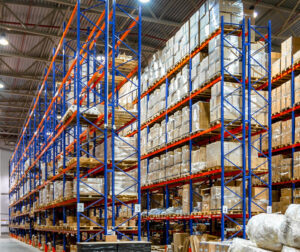
Pallet racking involves multi level structures that allow pallets of goods to be stored vertically. Each pallet is supported by horizontal beams that rest on upright steel frames, creating organized shelving units. Forklifts or pallet jacks are typically used to load and unload items from the racks. This system enables businesses to capitalize on unused vertical space in their warehouses, a valuable asset in high volume operations where every square meter counts.
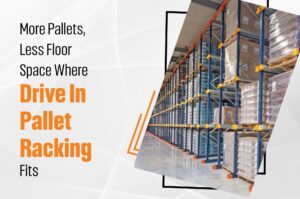
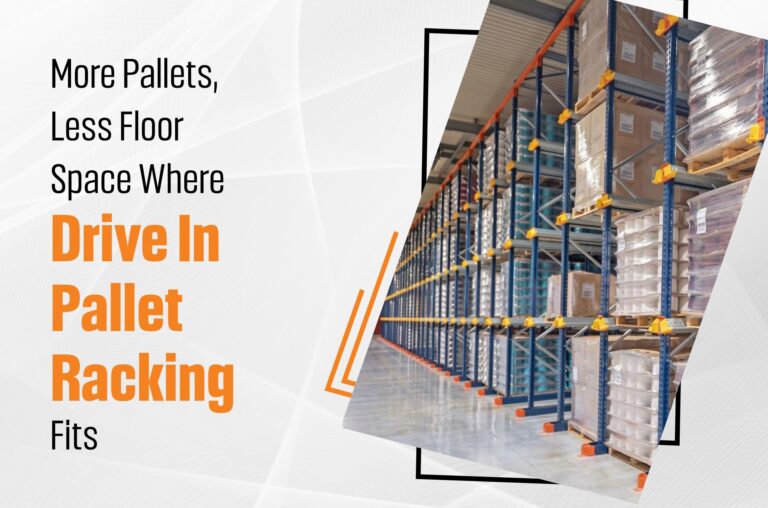
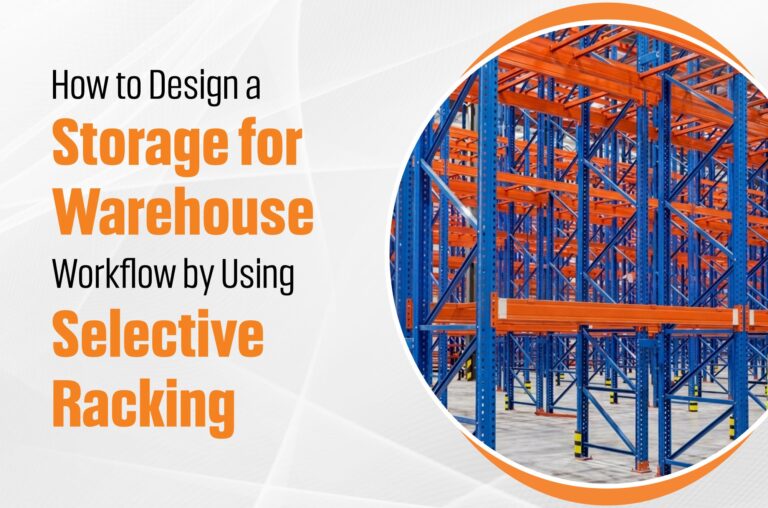
Different types of pallet racking systems are available, each designed to meet particular storage challenges. Selective racks, for example, offer direct access to every pallet, making them ideal for warehouses that require frequent stock rotation. Drive in and drive through racks allow forklifts to enter the system for storage, which is efficient for high density, low variety inventory. Push back and pallet flow systems, on the other hand, use gravity and inclined tracks to streamline storage and retrieval.
Benefits That Go Beyond Storage
The advantages of pallet racking systems are not limited to space saving. They also improve workflow efficiency, enhance safety, and make inventory management more straightforward. When a warehouse is organized with dedicated racking, it reduces the time employees spend locating products. Streamlined access reduces the chances of delays or errors in order fulfillment. Safety is another critical benefit. Without organized racks, goods are often stacked unevenly or left in random piles, increasing the risk of accidents. Proper racking structures ensure that loads are distributed evenly, with clear access paths for handling equipment and personnel. Many pallet rack systems come with built in safety features, such as locking mechanisms and column protectors, which prevent damage and increase overall workplace safety.
Inventory management also sees a marked improvement. Racked inventory is easier to count and monitor, especially when integrated with barcode or RFID systems. This visibility helps with real time tracking, reducing the risk of overstocking or stockouts.
Tailoring Racking Systems to Business Needs
One of the reasons pallet racking systems have become so popular is their adaptability. Businesses can customize these racks based on the nature of their inventory. For instance, heavy-duty racking works well for storing bulky items such as machine parts or large industrial components. On the other hand, light-duty racks are ideal for holding lighter goods like packaging supplies or ready-to-ship products. The racking layout can also be designed based on the flow of operations. If goods need to be accessed frequently, a layout with multiple aisles and open face shelving will be appropriate. On the other hand, if space is a premium and stock rotation is minimal, high density storage options like double deep or drive in racking can be considered.
Modern systems also allow for integration with automation. In larger warehouses, Automated Storage and Retrieval Systems (ASRS) can be incorporated with racking to improve accuracy and speed while reducing labor costs.
Materials and Durability
Quality materials play a vital role in the performance and lifespan of pallet racks. Most systems are made from high strength steel, coated with protective finishes to resist corrosion and wear. For warehouses in humid or chemically exposed environments, galvanized or specially treated materials can be used to extend durability. In addition to frame and beam strength, the floor anchoring of the system also matters. Poor anchoring can lead to instability, especially under heavy loads or during forklift operation. That’s why professional installation and periodic inspections are essential for safe operation.

Cost Efficiency Over Time
Although installing a pallet racking system may seem like a significant upfront cost, the long term benefits often outweigh the initial investment. Businesses save money by optimizing space, which can delay or eliminate the need for warehouse expansion. Improved inventory management also reduces the financial impact of lost or damaged goods. As storage requirements grow or shift, modular systems can be easily adjusted or extended to keep up. This flexibility ensures that the system continues to provide value over time, regardless of how the business evolves. With fewer disruptions and faster order processing, the overall return on investment is strong.
Design Considerations for Installation
Planning a pallet racking system involves more than just measuring the floor area. Key factors include ceiling height, load requirements, aisle width for equipment, and fire safety regulations. For example, narrower aisles may save space but can limit the movement of forklifts. The weight and size of items being stored will determine the type and strength of racks needed. It’s also crucial to plan for future scalability. A system that works today might become insufficient in a year as your product line expands. Consulting with a professional racking supplier or warehouse designer can help businesses make smarter decisions from the outset.
Maintenance and Safety Best Practices
Once installed, the upkeep of a pallet racking system is vital. Periodic inspections should be scheduled to check for rust, loose bolts, or bent frames. Even small issues can compromise the entire system’s integrity. Warehouse staff should be trained not only to operate equipment safely but also to report potential issues when they arise. Overloading is a common problem in warehouse racking. Each system comes with specified weight limits, and exceeding them can lead to structural failure. Clear signage indicating load capacities should be visible throughout the facility. Adding impact guards and safety pins can further enhance safety during daily operations.
Industry Specific Applications
Different industries benefit from pallet racking systems in unique ways. In retail distribution, they help manage thousands of SKUs efficiently. In cold storage environments, they enable compact storage of perishable items while maintaining airflow for refrigeration. In the automotive sector, they are used to store bulky parts in a structured and accessible manner. Manufacturing facilities use pallet racks not only for finished products but also for raw materials and intermediate goods. This organized approach enhances the production cycle by ensuring materials are always available at the right time and place. E-commerce and fulfilment centers also benefit from these systems by streamlining pick and pack operations.
Sustainability and Environmental Impact
Sustainability has become a central focus for many businesses, and pallet racking systems can contribute to greener operations. By making better use of existing space, they reduce the need for constructing additional buildings, saving both money and resources. Many racking systems are also made from recyclable materials, and old or damaged racks can often be refurbished rather than discarded.
Efficient inventory management also cuts down on waste. When products are stored properly and easily tracked, the likelihood of damage, expiration, or loss diminishes. This translates into fewer discarded goods and lower environmental impact overall.
Choosing the Right Supplier
Selecting a reliable supplier is as important as the system itself. Look for providers with experience in your industry and a solid track record of delivering safe, durable solutions. They should offer not only the products but also design consultation, installation, and post sale support. It’s also helpful to choose a supplier that can scale with your growth. As your business evolves, your storage needs will change. Partnering with a supplier that offers upgrades, accessories, and system reconfiguration services can save time and reduce future headaches.
Discover Smart Storage Solutions with BPI Racks
At BPI Racks, we believe that the right racking system can completely transform your workspace. Whether you’re managing a warehouse, a logistics unit, or an industrial facility, our storage solutions are built to make your operations smoother, safer, and more organized. From heavy duty pallet racking to custom shelving units and steel mesh racking, our range is engineered to handle real world demands. With a focus on quality, durability, and space optimization, BPI racks help you make the most of every square foot.
Ready to make better use of your space? Turn to BPI Racks for dependable systems, personalized advice, and lasting results.
Conclusion
In the ever changing world of warehousing and logistics, staying competitive requires both innovation and efficiency. Pallet racking system offer a practical and scalable solution to common storage challenges, helping businesses make the most of their available space while improving access, safety, and productivity. Their impact goes far beyond shelves and beams. They shape the workflow, reduce costs, and support long term business goals. Whether you are starting small or expanding rapidly, integrating a well planned pallet racking system into your operations can set a strong foundation for future success.