Racks & Shelves

Metal Mezzanine Floor
Racking

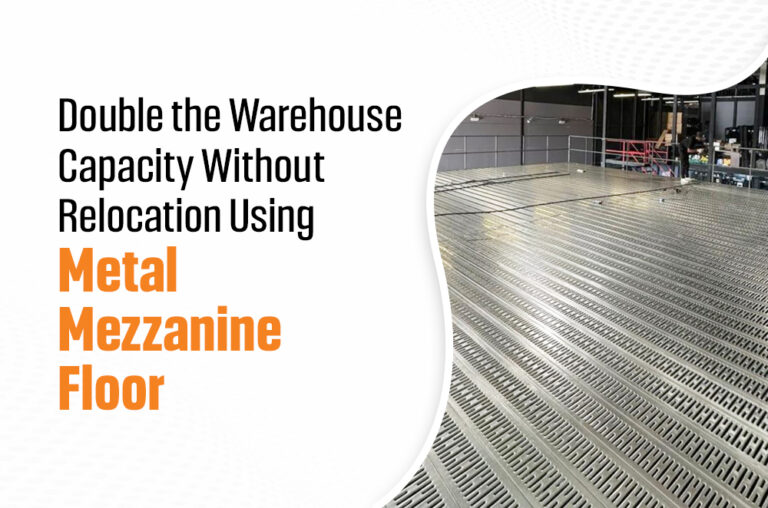
Maximize the Warehouse Floor Space with a Metal Mezzanine Floor

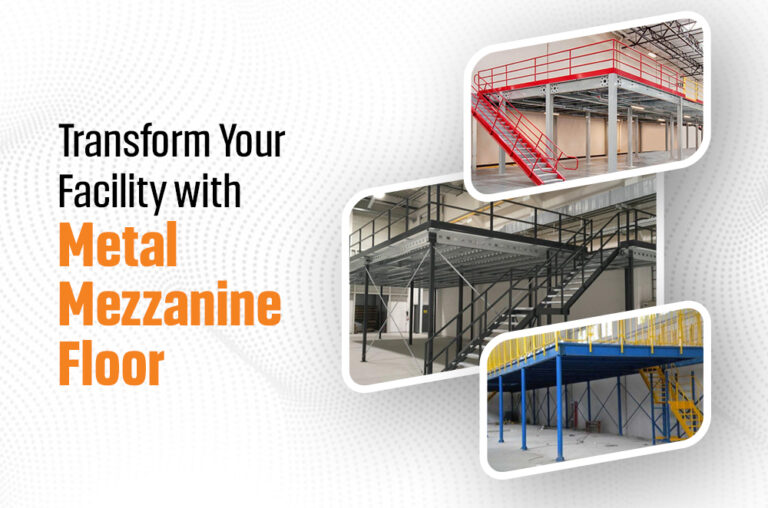
As operational costs rise and warehouse space becomes a premium asset, forward thinking businesses are adopting smarter expansion strategies. Among them, metal mezzanine floors have emerged as a fast, reliable, and cost efficient way to increase usable space without relocating or constructing new buildings. Built within your existing facility footprint, these robust intermediate floor structures transform under utilized vertical areas into valuable storage, work, or office zones. For companies that want to scale operations without disrupting daily workflow, mezzanine floors offer a practical solution that blends strength, modularity, and long term return on investment. How Metal Mezzanine Floors Optimize Warehouse & Industrial Space Metal mezzanine floors unlock unused vertical height inside a facility and convert it into productive operational space. Instead of paying higher rent, shifting to larger premises, or constructing outward extensions, companies can expand upward within their existing building footprint. This clever approach helps warehouses and factories achieve more without interrupting their current workflow. By installing a mezzanine, businesses can increase storage capacity, create clearly defined work zones for tasks like packing or inspection, and even accommodate offices or control rooms above the shop floor. The extra level supports smoother movement of both personnel and goods, resulting in better material flow and greater use of valuable space. The system also reduces congestion on the main floor, improving safety and productivity. Over time, organizations benefit from quicker turnaround, improved organization, and stronger inventory control. All these improvements combine to deliver a faster return on investment and better long term profitability without the high capital expense of relocation. Benefits of Installing a Metal Mezzanine Floor Investing in a metal mezzanine floor brings immediate and long lasting advantages to any industrial or warehouse operation. Designed for heavy duty use, these structures offer versatility along with measurable business gains: Cost Effective Growth A metal mezzanine floor lets businesses expand operational capability inside their existing premises, removing the need for renting additional warehouses or investing in full scale construction. The result is significant space enhancement at a fraction of the cost. Fast and Disruption Free Installation Unlike traditional building work, mezzanine structures are modular and can be installed rapidly. This helps companies boost space without interrupting daily operations, ensuring continuity and efficiency even during upgrades. Versatile Usage Possibilities From inventory storage and packaging to assembly lines and office cabins, mezzanines adapt to various industrial workflows. Their flexible design means they can evolve as operational requirements change, supporting both current and future demands. Strong Load Bearing Capability Engineered from high grade metal, these systems carry substantial loads with complete stability. Whether handling pallets, equipment, or workforces, mezzanine floors deliver strength and safety across diverse applications. Improved Productivity and Floor Management By using vertical height smartly, companies can clear cluttered work floors, improve movement, and introduce dedicated zones. This organization boosts productivity, minimizes delays, and supports a more professional working environment. Future Ready Scalability Metal mezzanine floors expand and relocate with ease, making them a long term strategic investment. As your business grows, the system grows with it, safeguarding operational agility and reducing pressure on infrastructure. Design & Load Bearing Considerations When planning a metal mezzanine floor, precise design is critical to ensure long term safety, performance, and compliance. Every facility is unique, so a custom engineered layout delivers the best return on investment. Assessing Load Requirements Understanding what the structure needs to support. From palletized goods to machinery and people, determines the column spacing, beam strength, and decking type. Accurate load analysis prevents deflection and protects both employees and inventory. Planning Access and Workflow Strategic placement of staircases, pallet gates, and handrails ensures smooth traffic between levels while maintaining ergonomic movement of goods. Proper entry and exit points also improve emergency responsiveness and overall usability. Choosing the Right Decking & Finish Decking varies based on operational needs. Options like plate, steel grating, and concrete strips offer different levels of durability, fire rating, and skid resistance. The finish chosen must withstand abrasion, humidity, and temperature variations common in industrial settings. Allowing for Future Expansion A well designed mezzanine leaves scope for additional bays or levels as business needs grow. Planning ahead for future extensions saves on rework and ensures scalability without disrupting ground operations. Installation, Safety & Maintenance Best Practices To maximize performance and lifespan, a metal mezzanine floor must be installed correctly and maintained through regular, structured care. Treating it as a critical part of your facility infrastructure, rather than just a temporary platform. It allows businesses to unlock long term operational value. Professional Installation Ensures Structural Integrity Accurate site measurement, firm anchoring, and precise alignment are the foundation of a safe mezzanine. Experienced engineers confirm that each column, beam, and deck panel is secured to safely handle both dynamic movement and static loads. This prevents shifting, vibration, or sagging during everyday use. Adhering to Safety Standards Protects Personnel Including features such as high visibility stairways, guardrails, non slip decking, and fire rated materials strengthens on site safety. These elements protect workers, satisfy industry regulations, and help businesses pass safety inspections with full confidence. Regular Inspections Prevent Unexpected Downtime Planned checks on welds, bolts, brackets, and floor plates help identify issues early. This avoids sudden shutdowns, reduces emergency repair costs, and keeps operations running consistently. Many businesses find it useful to schedule monthly visual inspections and annual professional audits. Cleaning and Load Management Extend Lifespan Routine cleaning eliminates dirt, oil, and debris that could compromise both worker safety and surface durability. Equally important is avoiding overloading the structure and making sure that weight is distributed evenly. This preserves the integrity of the mezzanine, helping it perform reliably for many years without the need for major structural refurbishment. Why Growing Companies Prefer BPI Racks for Metal Mezzanine Floors When you are planning to scale operations, choosing the right mezzanine partner can dramatically impact both performance and profitability. BPI Racks continues to be a preferred choice for companies across the UAE because of its engineering strength and customer first approach. Customized for Your Operations Instead
Pallet Racking System
Racking

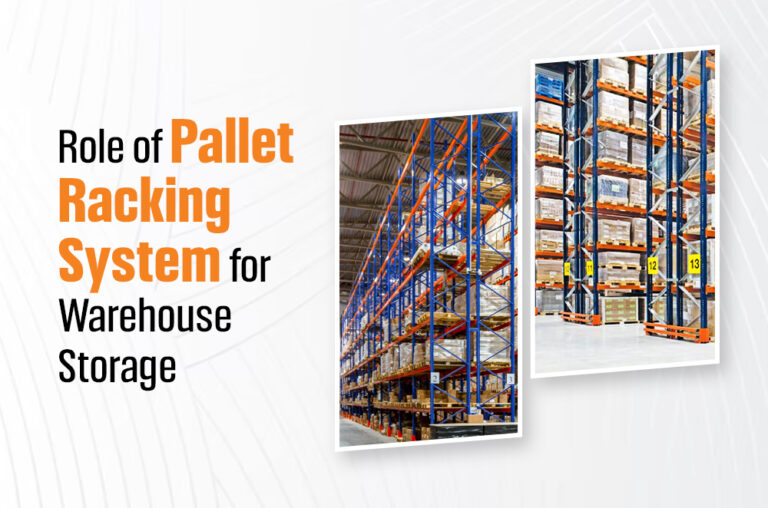
Reasons Why Pallet Racking System Needed in your Warehouse

In the supply chain and logistics environment, warehousing operations must be optimized not only for speed but also for space. One of the most effective ways companies have achieved this balance is through the strategic use of pallet racking system. These systems offer scalable, safe, and organized storage solutions for goods of all shapes and sizes. Whether you’re running a distribution center, a manufacturing plant, or a small storage facility, these systems have become essential tools for maximizing floor space while maintaining easy access to inventory. Understanding the Basics of Pallet Racking Pallet racking involves multi level structures that allow pallets of goods to be stored vertically. Each pallet is supported by horizontal beams that rest on upright steel frames, creating organized shelving units. Forklifts or pallet jacks are typically used to load and unload items from the racks. This system enables businesses to capitalize on unused vertical space in their warehouses, a valuable asset in high volume operations where every square meter counts. Different types of pallet racking systems are available, each designed to meet particular storage challenges. Selective racks, for example, offer direct access to every pallet, making them ideal for warehouses that require frequent stock rotation. Drive in and drive through racks allow forklifts to enter the system for storage, which is efficient for high density, low variety inventory. Push back and pallet flow systems, on the other hand, use gravity and inclined tracks to streamline storage and retrieval. Benefits That Go Beyond Storage The advantages of pallet racking systems are not limited to space saving. They also improve workflow efficiency, enhance safety, and make inventory management more straightforward. When a warehouse is organized with dedicated racking, it reduces the time employees spend locating products. Streamlined access reduces the chances of delays or errors in order fulfillment. Safety is another critical benefit. Without organized racks, goods are often stacked unevenly or left in random piles, increasing the risk of accidents. Proper racking structures ensure that loads are distributed evenly, with clear access paths for handling equipment and personnel. Many pallet rack systems come with built in safety features, such as locking mechanisms and column protectors, which prevent damage and increase overall workplace safety. Inventory management also sees a marked improvement. Racked inventory is easier to count and monitor, especially when integrated with barcode or RFID systems. This visibility helps with real time tracking, reducing the risk of overstocking or stockouts. Tailoring Racking Systems to Business Needs One of the reasons pallet racking systems have become so popular is their adaptability. Businesses can customize these racks based on the nature of their inventory. For instance, heavy-duty racking works well for storing bulky items such as machine parts or large industrial components. On the other hand, light-duty racks are ideal for holding lighter goods like packaging supplies or ready-to-ship products. The racking layout can also be designed based on the flow of operations. If goods need to be accessed frequently, a layout with multiple aisles and open face shelving will be appropriate. On the other hand, if space is a premium and stock rotation is minimal, high density storage options like double deep or drive in racking can be considered. Modern systems also allow for integration with automation. In larger warehouses, Automated Storage and Retrieval Systems (ASRS) can be incorporated with racking to improve accuracy and speed while reducing labor costs. Materials and Durability Quality materials play a vital role in the performance and lifespan of pallet racks. Most systems are made from high strength steel, coated with protective finishes to resist corrosion and wear. For warehouses in humid or chemically exposed environments, galvanized or specially treated materials can be used to extend durability. In addition to frame and beam strength, the floor anchoring of the system also matters. Poor anchoring can lead to instability, especially under heavy loads or during forklift operation. That’s why professional installation and periodic inspections are essential for safe operation. Cost Efficiency Over Time Although installing a pallet racking system may seem like a significant upfront cost, the long term benefits often outweigh the initial investment. Businesses save money by optimizing space, which can delay or eliminate the need for warehouse expansion. Improved inventory management also reduces the financial impact of lost or damaged goods. As storage requirements grow or shift, modular systems can be easily adjusted or extended to keep up. This flexibility ensures that the system continues to provide value over time, regardless of how the business evolves. With fewer disruptions and faster order processing, the overall return on investment is strong. Design Considerations for Installation Planning a pallet racking system involves more than just measuring the floor area. Key factors include ceiling height, load requirements, aisle width for equipment, and fire safety regulations. For example, narrower aisles may save space but can limit the movement of forklifts. The weight and size of items being stored will determine the type and strength of racks needed. It’s also crucial to plan for future scalability. A system that works today might become insufficient in a year as your product line expands. Consulting with a professional racking supplier or warehouse designer can help businesses make smarter decisions from the outset. Maintenance and Safety Best Practices Once installed, the upkeep of a pallet racking system is vital. Periodic inspections should be scheduled to check for rust, loose bolts, or bent frames. Even small issues can compromise the entire system’s integrity. Warehouse staff should be trained not only to operate equipment safely but also to report potential issues when they arise. Overloading is a common problem in warehouse racking. Each system comes with specified weight limits, and exceeding them can lead to structural failure. Clear signage indicating load capacities should be visible throughout the facility. Adding impact guards and safety pins can further enhance safety during daily operations. Industry Specific Applications Different industries benefit from pallet racking systems in unique ways. In retail distribution, they help manage thousands of SKUs efficiently. In cold storage environments, they

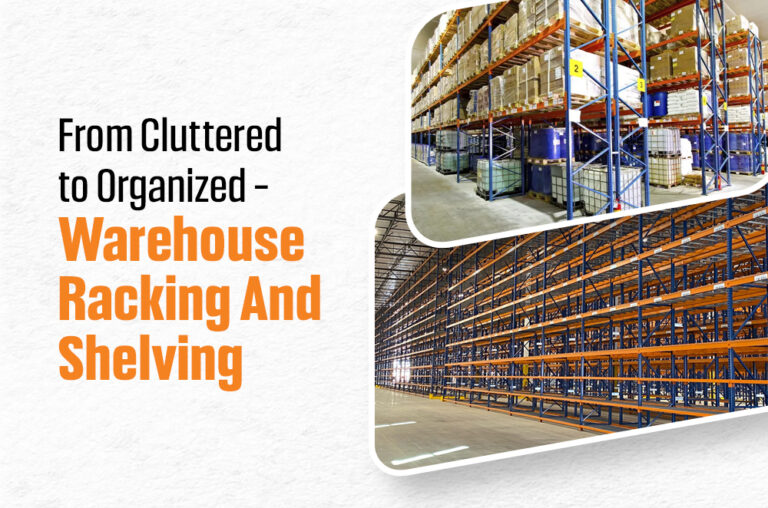
Warehouse Racking And Shelving
Racking

The Guide in Choosing the Right Warehouse Racking And Shelving

The Role of Racking and Shelving in Warehouse Efficiency The warehouse operation requires efficient storage that should boost productivity, safety, and profitability. Our warehouse racking and shelving organize, protect and streamline the goods stored. It has the ability to manage high-volume logistics or mid-sized industry to store the inventory and assists in the movement of items smoothly. The racks and shelves are the backbone of the warehouse industry and are designed to use the available space efficiently in the way both vertically and horizontally. It is using every square meter of the building effectively. The planned and well-implemented storage increases capacity, reduces unnecessary movement, avoids retrieval delays and congestion within the facility. The organized warehouse has the biggest benefit, as items are easier to locate, quickly accessible, improve order picking and replenishment times, so the industry can focus on core operations that lead to faster turnarounds and satisfied customers. The poorly stacked goods or unstable storage result in accidents and damaged products. The industry standard warehouse racking and shelving ensures safe placement of items, high load-bearing capacity, and structural support. With the right racks and shelves, the warehouse becomes a safer place to store, makes the environment secure, avoids the losses due to damaged inventory and reduces the risk of injuries to the workers. From a management perspective, it is clearly arranged, systematically organized and maintained inventory accuracy. This provides better order precision, avoids errors and improves forecasting. Contributes to the visual organization of the industry, a structured and disciplined facility. Also, it influences clients or partners to perceive the business and acts as a strong indicator of operational excellence. At BPI Racks, UAE, we understand the requirements of every warehouse and its storage needs. We specialize in customizing racks and shelves that are engineered for high performance and extreme flexibility. From compact shelving for light goods to robust racking for heavy, we design to match your available space, inventory and workflow. Planning Your Warehouse Layout: Smart Use of Space Design a warehouse with a smart and streamlined environment which is easy for the goods flow. The planned layout maximizes space, enhances overall operations of the industry and acts as a foundation of warehouse success. The first step is understanding the storage needs of the kind of item you will be handling. For example, heavy, bulky or fragile. Each type of item requires specific racking or shelving solutions. Next, consider a productive warehouse area including receiving, storage, picking and packing zones. Logical flow of work avoids worker movement and speeds up storing or retrieval operations. Many warehouses failed to use the entire full height of the space, resulting in more valuable cubic meters being unused. Industries can save real estate and increase their capacity significantly without leaving the building. This warehouse racking and shelving system provides the right balance between accessibility and space efficiency. It can be used to move items fast without compromising the safety of the workers. Highly reducing the travel distance and ensuring clear visibility across areas, which greatly enhances the operational speed. The smart layout gives modular scalability, gets extra space without redoing the entire layout and scales up the business growth. Makes a huge difference for the warehouse and workers are able to locate racks and items at a glance. Gives proper lighting, ensures visibility and improves picking accuracy. We assist in selecting the right warehouse racking and shelving for the layout. We also consider the operation, space and future needs of the industry to deliver smart layouts and reduce costs. Materials and Durability: What Your Shelving is Made Of Matters In any warehouse, the storage system is a constant requirement to carry heavy loads. That’s why choosing the right materials is vital for the safety, longevity, and performance. The durability depends on what type of racks and shelves are made of. Steel Shelving: The Industrial Standard Steel is the most popular material which is designed to be strong and durable. Offering structural strength to carry heavy goods and is also suitable for light-duty storage. Especially useful to prevent rust and corrosion. Galvanized Steel: Built for Harsh Conditions Galvanized steel is treated with a protective zinc coating which is more resistant against humid or corrosive environments. Ideal for industries dealing with chemicals or food products. The zinc layer protects the racks from moisture and gives a long lifespan without the requirement of frequent maintenance. Wood Shelving: Versatile but Limited Wood racking and shelving are useful for the small storage rooms, display areas or garages. It provides a clean look and can store light to medium goods. It’s vulnerable to moisture or insect damage, but not suitable for high-load industrial use. Aluminum: Lightweight but Less Common Aluminum shelving is resistant to rust, so it can be used in industries including pharmaceutical or food storage. It has high hygiene standards and is easy to clean, but it is not commonly used in heavy-duty warehouse storage. Load Capacity and Regular Maintenance Irrespective of the material, the important factor is whether the racks or shelves can handle the intended load. Each type has its own load capacity but storing more load on it leads to rack failure or safety risks. All the system requires routine inspection such as checking loose bolts, rust or structural damage. Ensure they remain safe to use and racks last longer. We guide our customers to the best match for their space and environmental conditions. Safety, Compliance, and Load Management in Racking Systems For efficient warehouse operations, installation should be proper, good load management and regular inspections to check the conditions of the racking and shelving systems. It prevents accidents, improves efficiency and keeps the warehouse safe and compliant. Each system is designed with a specific weight limit so overloading can cause structural collapse. Always check the load capacity per beam, evenly distribute loads to prevent tilting and make sure the load never exceeds the limit. Have monthly inspections and repair or replace the damaged racks immediately. Install anti-collapse mesh in high-traffic warehouses to

Shuttle Racks
Racking

Efficient Storage & Warehousing Begins with Shuttle Racks

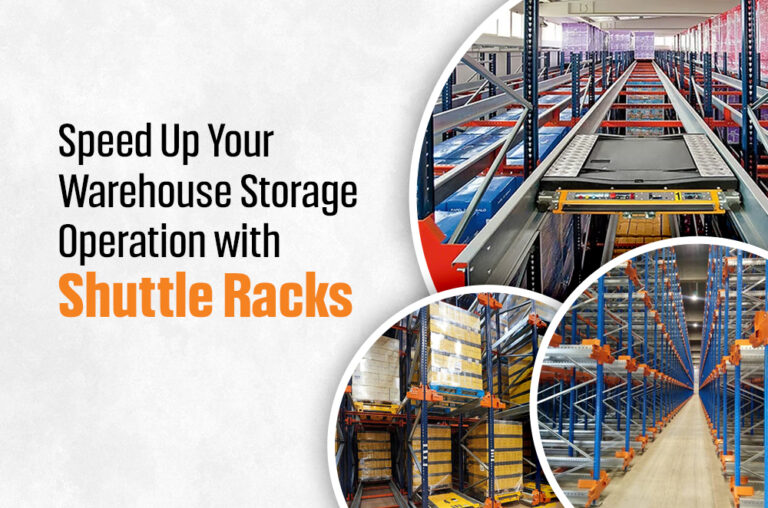
Warehouses today face growing pressure to store more products in less space while ensuring fast and safe operations. Traditional pallet racking systems often fall short when it comes to handling high volumes efficiently. This is where shuttle racks, also known as radio shuttle racking systems, offer a smarter alternative. Shuttle racks provide a smart, automated solution that allows warehouses to store pallets in deep lanes and optimize available space. Instead of forklifts driving deep inside aisles, a battery-powered shuttle moves pallets along rails inside storage channels. The shuttle is controlled through a warehouse management system, allowing goods to be stored or retrieved quickly without heavy manual intervention. This setup reduces aisle space, speeds up loading and unloading, and improves safety. With the ability to store up to 40 pallets deep in a single lane, shuttle racks make the most of every square meter of your warehouse. They’re the ideal choice for businesses looking to optimize space and boost efficiency. How Shuttle Racking Systems Work Shuttle racking systems combine automation and intelligent design to make warehouse operations faster and more organized. Unlike conventional pallet racking that relies on forklifts entering the aisles, this system uses a motorized shuttle cart to handle pallet movement inside storage channels. The process begins when a forklift places a pallet at the front of a storage lane. A shuttle unit, running on rails within the channel, then lifts the pallet slightly and transports it to the assigned position. When the pallet is set in its designated spot, the shuttle travels back to the entry point to continue operations. This entire operation can be managed through a remote control or fully integrated with a warehouse management system for even greater efficiency. When it comes to retrieval, the system works in reverse. The shuttle collects pallets from their positions and brings them to the front of the lane for easy pickup. Forklifts no longer need to navigate inside the racks, reducing time, risk, and potential damage. Shuttle racking systems are designed to handle both First In, First Out and Last In, First Out storage strategies, giving businesses the flexibility to manage inventory based on their specific requirements. This flexibility makes it suitable for a wide range of industries, from perishable goods to bulk storage. By automating pallet handling, shuttle racks help businesses improve speed, maximize space, and maintain safer warehouse environments. Advantages of Shuttle Racks for Warehouses Modern warehouses need to store more products, move them faster, and reduce operational risks. Shuttle racks provide a practical solution by combining high-density storage with automation. Here are the major benefits that make this system a smart investment for businesses: 1. Maximized Storage Capacity One of the most significant advantages of shuttle racks is their ability to use every inch of available space. Traditional pallet racking requires wide aisles for forklifts, which limits storage density. Shuttle racks eliminate this need by allowing pallets to be stored deep within each lane, up to 40 positions in some cases. This efficient use of height and width makes the system suitable for facilities where floor space is limited. 2. Faster Loading and Unloading In conventional systems, forklifts travel inside aisles to place or pick pallets, which takes time. With shuttle racks, forklifts only operate at the lane entry, while the shuttle does the internal movement. This automation reduces handling time and significantly increases throughput. Multiple shuttles can work simultaneously, allowing operations to run smoothly during peak periods. 3. Reduced Labor and Equipment Costs By minimizing forklift travel, businesses can operate with fewer machines and drivers. One operator can control several shuttle units, reducing labor requirements without sacrificing productivity. Lower manual involvement also decreases fatigue and mistakes, improving operational efficiency. 4. Safer Work Environment Safety is a priority in any warehouse. Shuttle racking limits forklift traffic within storage lanes, reducing potential hazards and damage. The automated movement of pallets creates a cleaner and more organized work area, which contributes to overall workplace safety. 5. Better Inventory Control When paired with a warehouse management system, shuttle racks enable accurate tracking of pallet positions. Businesses can easily implement FIFO or LIFO strategies, depending on their stock requirements. This level of control helps maintain proper stock rotation and minimizes errors during picking. By offering these advantages, shuttle racks help warehouses increase efficiency, cut costs, and maintain a safer environment. For businesses that deal with high-volume storage and require fast turnaround, this system is a reliable and future-ready solution. Key Applications and Industries for Shuttle Racks Shuttle racking systems are highly versatile and can adapt to different storage requirements. Their design allows businesses to manage large volumes of palletized goods without compromising speed or safety. Here are some key industries where shuttle racks deliver exceptional value: Cold Storage and Freezers In temperature-controlled environments, maximizing storage capacity is essential because energy costs are high. Shuttle racks help by reducing aisle space and allowing deep lane storage, which keeps doors closed longer and maintains consistent temperatures. Fast-Moving Consumer Goods (FMCG) For FMCG businesses, rapid product flow and proper stock management are essential for smooth operations. Shuttle racks support FIFO operations, ensuring goods are moved quickly and efficiently without delays. E-Commerce Fulfillment E-commerce warehouses deal with large volumes and tight deadlines. Shuttle racks enable faster pallet movement and better space utilization, making it easier to keep up with fluctuating demand. Pharmaceutical and Healthcare In this sector, precision and hygiene are crucial. Shuttle racking systems allow for organized storage with minimal manual handling, reducing contamination risks and improving compliance. Manufacturing and Industrial Goods Factories often store raw materials and finished products in bulk. Shuttle racks make storage simpler and retrieval faster, which helps maintain smooth production flow. Installation and Maintenance of Shuttle Racking Systems The success of a shuttle racking system depends on proper installation and consistent upkeep. Before implementation, a detailed site analysis is carried out to assess floor strength, ceiling height, and pallet specifications. This ensures the design matches your operational needs and maximizes storage efficiency. Once the layout is

Drive In Pallet Racking
Racking

Know Why Drive In Pallet Racking is a Smart Storage Choice

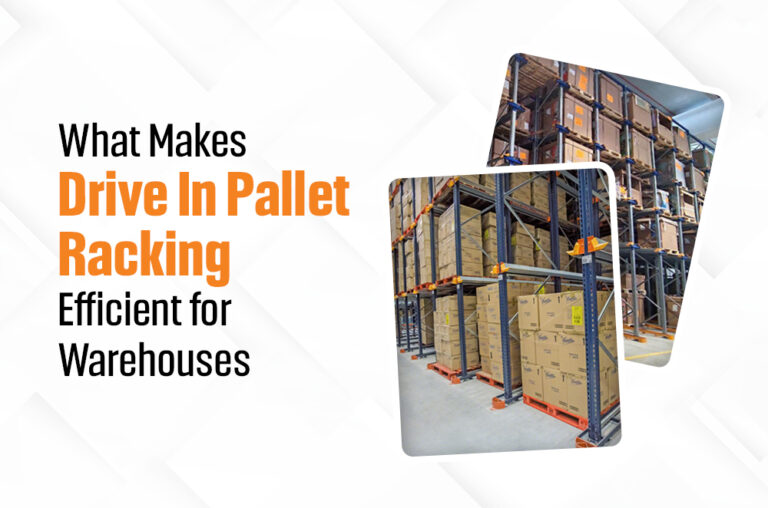
Drive in pallet racking has a high-volume storage capacity that is maximizing the warehouse space by eliminating the need for aisles. It is designed with specialized guide rails where the goods can be stored. The common applications are warehouses, distribution centers and cold storage facilities. It typically optimizes the space and improves inventory turnover. In this blog, we’ll explore the nature of drive in pallet racking, working principles and benefits. Additionally, we’ll touch its components, necessary safety considerations and supplier selection. Ultimately, this guide aims to provide useful insights for the organization to find the ideal warehouse racking and shelving solution. Advantages of Drive In Pallet Racking 1. Maximum Use of Available Space By stacking pallets several positions deep and multiple levels high, businesses can store a high volume of goods in a compact footprint. This is especially useful for operations working within space-constrained warehouses or cold storage facilities where every square meter is valuable. Compared to conventional selective racking, drive in racking can increase storage capacity by up to 85%, making it a smart choice for businesses with large quantities of homogeneous products. This high-density solution improves overall warehouse efficiency and makes it easier to manage bulk inventory without compromising safety or accessibility. For facilities aiming to boost storage without relocating, this system is a strategic investment. 2. Ideal for Storing Similar Products Warehouses that handle high quantities of the same product type benefit greatly from drive in pallet racking. It uses a LIFO system of inventory management, which prioritizes retrieval of most recently stored goods. Companies that store construction supplies, frozen meals, or seasonal inventory, all of which are homogenous and do not require tight date rotation, will find this arrangement to be excellent. Improved operational flow is possible with drive in racking since there are fewer stock-keeping units to keep track of, which speeds up loading and unloading. The technology lessens the likelihood of product damage while also minimizing handling time and facilitating predictable, repeating motions for warehouse workers. 3. Cost-Effective Storage Solution It is a cheaper option than bigger automated systems or building bigger warehouses. Businesses may store more pallets without taking up additional room by making the most of both vertical and horizontal space. The structure itself is simple and doesn’t need as many parts or as much time to install as multi-aisle racking systems. Also, less aisle space means that each pallet needs less lighting and HVAC, which lowers operating costs even more. The strong, heavy-duty construction of racking frames also makes maintenance cheaper. Drive in racks are great for cold storage facilities or seasonal stockpiles because they make better use of space and increase worker productivity, which saves money over time. It is a reliable option that works well over time since it is strong and easy to use. Drive in pallet racking is a good way for businesses to get more out of existing storage space without having to buy more land or automate their operations. 4. Enhances Workflow and Inventory Turnover Drive in pallet racking is mostly used for storing large amounts of goods, but it may also aid with rapid inventory turnover provided the right operational setup is in place. The method is designed to swiftly move objects in and out, especially when moving complete pallets of the same sort of item. Forklift drivers can go to a number of pallets in one lane without having to transfer aisles, which saves a lot of time. This reduces down on the number of trips and hours required needed to get and put things away. The drive in approach makes it simpler for workers to reach pallets in crowded storage areas. This is helpful for industries like dairy, drinks, and packaged goods where rapid turnaround is vital. If you maintain track of your inventory correctly, it may move fast and efficiently, especially if the products that come in and leave out follow the same patterns. This method also keeps the floor of the warehouse from being too congested, which makes things safer and more orderly. This method can assist companies that need a regular supply of goods operate their enterprises considerably more smoothly. 5. Flexibility for Seasonal and Overflow Stock Drive in pallet racking is quite flexible, which makes it great for dealing with seasonal inventory increases or extra stock. Its high-density design lets firms easily increase their storage space without having to change the layout of their current warehouse. These racks can hold a lot of the same items without needing to be expanded during busy times when storage needs are high. When the peak time is over, the racking system might be utilized more carefully or for different types of goods. Drive in racking is a popular choice for retail, agriculture, and FMCG industries since they commonly have stock levels that change. It can also be used as a place to store shipments that are coming in or going out late. The flexibility to change utilization levels based on current demand helps make the most of warehouse space and makes it easier to move goods throughout the year. Drive in pallet racking is a useful and future-proof alternative for firms that need a flexible, expandable way to store things that come in different amounts. Applications of Drive In Pallet Racking 1. Cold Storage and Freezer Warehouses Drive in pallet racking is quite common in cold storage and freezer facilities, where space and temperature control are very important. Because refrigeration is so expensive, every square meter must be used wisely in these places. Drive in racking lets you store a lot of the same type of commodities on pallets, such frozen meals, dairy products, and meat. These types of goods typically need to be stored in bulk under the same circumstances. 2. Beverage and Bottling Facilities The beverage business has a lot of the same kinds of items, which are usually stocked on conventional pallets. Drive in pallet racking is perfect for this industry since it lets you store a

Metal Mezzanine Floor
Racking

Increase Vertical Potential with Durable Metal Mezzanine Floor

Every square foot counts in real estate. When expansion isn’t an option, smart businesses look up instead of out. A metal mezzanine floor provides a creative and efficient solution. It creates entirely new usable space from what’s already available, without expensive construction or the need to relocate. Industries such as warehousing, manufacturing, retail, and office environments are discovering how mezzanines can unlock hidden capacity and streamline operations. These elevated platforms offer more than additional storage. They introduce well defined zones for packing, inventory, dispatch, or administrative tasks, all within the same footprint. Designed to meet modern safety standards and fast to install, mezzanine floors support both current needs and future expansion plans. In this blog, we’ll explore why metal mezzanine floors are practical for today’s businesses. You’ll learn about five key features, six long term benefits, real world applications, and how to choose the right supplier. By the end, you’ll understand how a well designed mezzanine can do more than increase space. Five Features That Set Metal Mezzanine Floors Apart 1. Purpose Built to Your Layout No two workspaces are alike. Mezzanines are customized to match your specific floor plan. Whether you’re working around support beams, height limitations, or narrow layouts, a mezzanine adapts to your needs. You can choose the exact dimensions, flooring type, stair positioning, and load capacity. 2. Strong and Structurally Reliable A mezzanine is not a temporary or light duty platform. It is designed using industrial grade steel and is built to carry heavy loads. These structures can support workstations, stored goods, machinery, and even small offices. With proper engineering, they remain durable and safe under continuous operation. 3. Quick and Clean Installation Another advantage is the short installation timeline. Prefabricated mezzanine components arrive ready for assembly. The setup takes just a few days, and in most cases, your ongoing operations can continue with minimal disruption. Compared to full scale renovations, the process is quick, cost effective, and cleaner. 4. Meets Safety Standards at Every Level Safety is a core component of every mezzanine system. Standard features include handrails, toe boards, anti slip steps, and secure access points. These systems are also compliant with local safety codes, including fire regulations and exit routes. As a result, your employees can work confidently and securely. 5. Expandable and Modular As your operations grow, your mezzanine can grow with them. Whether you need to extend the platform, add a second level, or integrate equipment like material lifts, mezzanines are designed with flexibility in mind. Modular systems ensure that your investment remains valuable over the long term. Six Business Benefits That Make a Mezzanine Worth It 1. More Space Without Building Out Mezzanine floors allow you to use the vertical space inside your building that often goes to waste. Instead of searching for a larger facility, you can increase the usable area right where you are. This is especially helpful for growing businesses with limited expansion options. 2. Lower Cost Compared to New Construction Adding square footage through traditional construction can take months and cost a fortune. But a mezzanine metal floor is more affordable and easy to install. You avoid the expense of land permits, structural changes, and contractor fees, while still gaining the space you need. 3. Improved Workflow and Organization The extra floor area provides room to separate tasks efficiently. For example, you can assign one level for packaging, another for inventory, and another for quality control. With these zones in place, your team can move and work more efficiently, reducing confusion and delays. 4. Tidier, Safer Workspaces Cluttered work areas increase the risk of accidents. Mezzanines help create a more organized environment by freeing up floor space and allowing better layout planning. With more room for shelves, racks, and materials, your facility becomes easier to navigate and safer for everyone. 5. Functional and Visually Appealing In retail or public facing settings, mezzanines offer both utility and visual impact. They allow multi level product displays, customer seating areas, or stylish office spaces that make use of high ceilings. In industrial sites, they bring clear structural logic to otherwise open zones. 6. Boosts Long Term Property Value Whether you own your facility or lease it out, adding a mezzanine increases its value. Buyers or tenants view these upgrades as assets. The space looks well organized, ready to scale, and attractive for long term operations. How and Where Mezzanines Deliver Maximum Impact Knowing where to apply a mezzanine solution helps you maximize its value. Let’s explore industry specific use cases and what to evaluate before buying one. Industry Applications Warehousing and Logistics: Mezzanines are commonly used for additional racking, inventory sorting, or integrating conveyor systems. These setups increase output without affecting floor level tasks. Manufacturing: Factories use mezzanines to host control panels, monitor stations, or maintenance rooms. They help isolate technical operations from assembly lines, creating a more efficient layout. Retail and Showrooms: Mezzanines are popular for display areas, premium sections, or customer lounges. They let businesses make use of high ceilings in a way that enhances customer experience. Hybrid Facilities and Offices: If your warehouse also serves administrative functions, a mezzanine is ideal for placing offices above storage zones. This helps keep team leaders close to operations while maintaining separation between roles. Factors to Consider Before Installation • To choose the right mezzanine, assess the following: •Load bearing requirements based on expected use (storage, people, machinery) • Access systems such as stairs, lifts, or conveyors • Regulatory compliance related to fire safety, height restrictions, and emergency exits • Material and flooring type, including anti slip, grated, or checkered plates • Scalability for potential future expansions or layout changes Working with experienced engineers helps ensure you meet both technical and safety requirements from day one. Build with a Trusted Partner: Choose BPI Racks When you’re ready to make better use of your facility’s space, choose a partner with the experience to get it right. BPI Racks offers custom designed mezzanine floor systems that are built to last. Our

Racking With Plywood
Racking

Organize Better & Store Smarter – Racking With Plywood

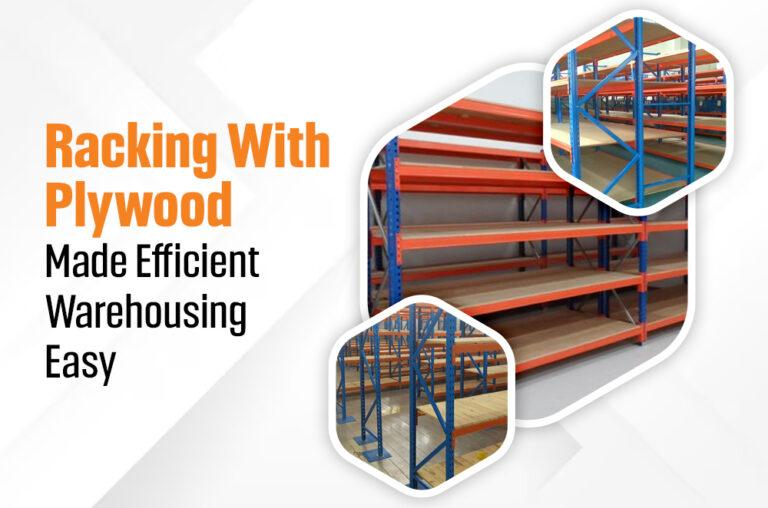
Storage problems are common across various industries, including warehousing, logistics, and retail. As businesses grow and inventories expand, many traditional shelving systems fail to keep up. These outdated solutions often lack the strength to support heavy loads or the flexibility to adapt to evolving workspace requirements. This is where many businesses start looking for smarter, more reliable alternatives. This is exactly where Heavy Duty Racking proves its value. Designed for strength and built to last, these systems are trusted across industries for their ability to handle substantial loads without compromising safety or accessibility. At BPI, racking with Plywood combine robust steel frames with high quality plywood shelving to create a durable, adaptable storage system. The result is a strong, stable, and highly adaptable storage structure that suits a wide range of commercial and industrial environments. Plywood shelves offer a smooth, even platform that supports different types of goods safely and efficiently. What sets this storage option apart is its balance of durability, cost efficiency, and ease of customization. It works just as well in a large distribution center as it does in a small garage workshop. Business owners also appreciate the reduced maintenance and long service life this system provides. In the following sections, we’ll take a closer look at the five standout features and five practical advantages of choosing racking with plywood for your storage needs. The insights ahead will help you make an informed decision with confidence. Top 5 Features of Racking With Plywood When selecting a storage system, the features matter just as much as the price. Racking with plywood offers a blend of strength, practicality, and design that works across multiple industries. Let’s explore five standout features that make this system a reliable choice for any storage setup. 1. Strong and Durable Construction One of the most critical features of racking with plywood is its ability to handle heavy loads consistently. The steel or metal frames provide the structural backbone, while the plywood shelves add surface strength. This combination is built to last, even under demanding conditions. Whether you’re storing tools, machinery parts, or bulk goods, this system can support significant weight without bending or warping. 2. Versatile Design Configurations Racking systems made with plywood are highly adaptable. The shelves can be adjusted to different heights, allowing for custom setups based on your storage requirements. This flexibility ensures that the rack can accommodate various types of goods, from small packages to oversized items. Additionally, the modular nature of these systems means they can be expanded or restructured as your business evolves. 3. Smooth and Safe Shelf Surface Unlike open mesh or wire racks, plywood shelves provide a continuous, flat surface. This prevents small parts or containers from slipping through gaps or getting damaged. The smooth texture of plywood reduces friction, making it easier to slide items on or off the rack. This feature enhances safety while improving handling efficiency during loading and unloading. 4. Easy Installation and Low Maintenance Another major advantage is how simple these racks are to install. Most plywood racking systems use a boltless or slot together design, which saves time during setup. You won’t need specialized tools or professional labor to assemble them. Maintenance is minimal too. Occasional cleaning and periodic checks for any surface damage on the plywood are generally enough to keep the system in good condition for years. 5. Cost Efficient Use of Materials Plywood is a smart material choice for shelving. It offers a strong weight bearing surface at a much lower cost than all metal shelves. In many cases, replacing a damaged plywood sheet is quicker and cheaper than repairing steel alternatives. This makes plywood racking a highly economical option, especially for businesses that want to scale without overspending. These five features highlight why racking with plywood continues to gain popularity in industrial and commercial environments. It’s not just a storage solution. It’s a practical system designed to improve everyday operations. 5 Key Advantages of Using Racking With Plywood Beyond its practical features, racking with plywood offers clear advantages that improve workflow, safety, and long term cost savings. These benefits are especially valuable for businesses that need reliable storage while staying within budget. Let’s look at five key advantages that make plywood racking a preferred solution across industries. 1. Ideal for Heavy Duty and Bulky Storage Plywood racks are built to handle demanding environments. The combination of a steel frame and thick plywood shelving provides excellent support for heavy or oversized items. Whether it’s machinery components, stacked cartons, or industrial tools, this racking system can hold it all with ease. It reduces floor clutter and improves the overall organization of storage areas, making space more usable and efficient. 2. Enhances Workplace Safety Safety is a priority in any facility, and racking with plywood contributes to a safer working environment. The flat, solid surface of plywood minimizes the risk of small items falling through gaps, which is common with wire shelves. This reduces potential hazards like trips, spills, or product breakage. Additionally, the structure is stable and well balanced, lowering the chances of tipping or shifting when fully loaded. 3. Sustainable and Eco Friendly Choice Many businesses are shifting toward greener operations, and plywood racking supports that goal. Plywood is manufactured using thin layers of wood veneer, often from fast growing and renewable sources. When properly maintained, plywood shelves can last for years and are recyclable once they reach the end of their life cycle. Choosing this system reflects a commitment to sustainability without compromising functionality. 4. Customization for Specific Needs One of the strongest advantages of plywood racking is the ease of customization. Shelves can be resized, replaced, or adapted for different uses. For example, businesses can install dividers, labeling panels, or even cutouts to suit specific product types. The thickness of the plywood can also be increased if heavier items need to be stored. This level of customization helps businesses fine tune their storage space according to their exact needs. 5. Budget Friendly for Growing

Multitier Racking
Racking

Elevate Space To Enhance Efficiency With Multitier Racking

Introduction to Multitier Racking Multitier racking is space-optimized storage which is highly efficient for the warehouse. It is designed to maximize the vertical height of the industrial storage facilities. The standard racking systems provide only a single level but multi-level racking creates multiple usable floor levels and the levels can be accessible through staircases, catwalks or lifts. It allows the workers to pick or store goods at different heights and is a perfect solution for businesses with limited floor space. It has high flexibility and can be customized to fit various types of inventory. Each level of tier can be accessed, tailored for different storage needs and ideal for operations that deal with heavy loads. The modular structure ensures to expand or reconfigure as the business grows. The operations include small parts, e-commerce items or fast-moving consumer goods. This racking system improves the workflow, increases productivity and reduces congestion on the ground floor. It distributes tasks on multiple levels, operations smoother and makes the warehouse more organized. The manual picking or semi-automated systems provide exceptional storage density, optimal use of vertical space and efficient stock management. It is the best option for businesses to increase their storage capability without changing or expanding the premises. Top Features of Multitier Racking for Industrial Storage Multitier racking is a modern storage solution that assists warehouses for the efficient use of vertical space. It is ideal for industries including warehouse, distribution center and manufacturing facility. Ability to store a large volume of goods without expanding the floor area. It creates multiple levels or tiers within the same building and cost-effective & space-saving option. Let’s explore the key features for smart storage 1. Multiple Levels for Storage and Workflow Our multitier racking is designed with multiple usable levels. It allows organizing the store items across vertical levels rather than spreading them horizontally which takes more space. It improves the operational flow for picking, packing or storing. Reduces congestion on the main floor, structure supports better segregation of inventory and reduces the usage of manpower. Allows simultaneous operations on separate floors. It is ideal for storage areas with limited ground space, gives each level productivity and dramatically increases storage efficiency. Streamline workflow to support high-volume operations within the same warehouse which saves time and boosts productivity. 2. Strong Load-Bearing Construction The entire racking system is built with durability, designed with high-strength steel components to support heavy goods of each level. It has safety and stability for stored products because of its strong load-bearing structure. Ideal for the industry that deals with heavy items, bulk packaging, or high-density inventory. Also, can be customized to suit various warehouse load requirements for each tier. The safe structure ensures the goods remain safe from damage or collapse with reduced maintenance costs and long-term durability. This type of racking gives peace of mind because the goods are stored securely across all levels. 3. Customizable Layout and Modular Design The multi-level racking system provides complete customization for every warehouse to suit shelf size, tier height and aisle width to access points. It is comfortable with wider walkways for manual picking and adapts to dense storage effortlessly. The modular design allows the addition of new sections, levels, tiers, removed or reconfigured flexibly for growing businesses. If the operation of the industry changes, the racking also has the ability to evolve with it. It has adaptability which can avoid the requirement of entirely new infrastructure and ensures long-term storage to grow with the business demands. 4. Integrated Safety and Access Features It prioritizes safety with storage efficiency for the warehouse. Each level of the racking includes protective staircases, anti-slip surfaces and railings to prevent accidents. Has the ability to handle fast-moving goods or heavy loads or conveyors also can be added to move goods between floors with ease. The entire structure is reinforced to ensure safe & smooth access, create a secure working environment for employees from different levels and reduce the risk of falls, collisions or material damage. It protects both the goods & workers and ensures smooth service with safety standards. 5. Improved Inventory Visibility and Management Organized better with manageable inventory, friendly structure and visibility. Depending upon the category, size or rotation frequency can be sorted across different levels which reduces time spent locating goods in the specific place. For the quick pick, the high-demand products can be stored on lower tiers and slow movers can keep them at the upper level. Enhanced order accuracy, minimizes picking errors, streamlines stock audits, supporting better planning and faster retrieval. Improves overall warehouse efficiency, boosts customer satisfaction, faster order processing and precise stock management. How Multitier Racking Works for the Industry Multitier racking is a smart and scalable storage system designed to help industries make the most of vertical warehouse space. It is widely used in logistics, retail, automotive, manufacturing and e-commerce sectors. By creating multiple storage levels within a single footprint, multitier racking improves inventory handling, boosts productivity and supports high-density storage in modern industry. Vertical Efficiency in Action It works by turning unused vertical space into multiple accessible floors, each equipped with shelving or pallet racking. These levels are connected by staircases, catwalks or lifts, allowing workers to move smoothly between tiers. Instead of spreading out horizontally, businesses can now expand upward and store a much greater volume of inventory in the same area. Each tier is designed to handle a specific load capacity and type of goods. Allowing industries to customize the structure based on product size, weight and rotation speed. Customizable for Different Workflows It can be fully customized to suit different industry workflows. For instance, e-commerce warehouses often use it for split-level picking where fast-moving items are stored on lower levels and bulk stock on upper levels. Automotive industries store spare parts in smaller bins on higher racks, keeping essential tools and kits at eye level for quick access. Manufacturing plants benefit from using multitier racking as it helps segregate materials, semi-finished goods and finished products on different

Selective Racking
Racking

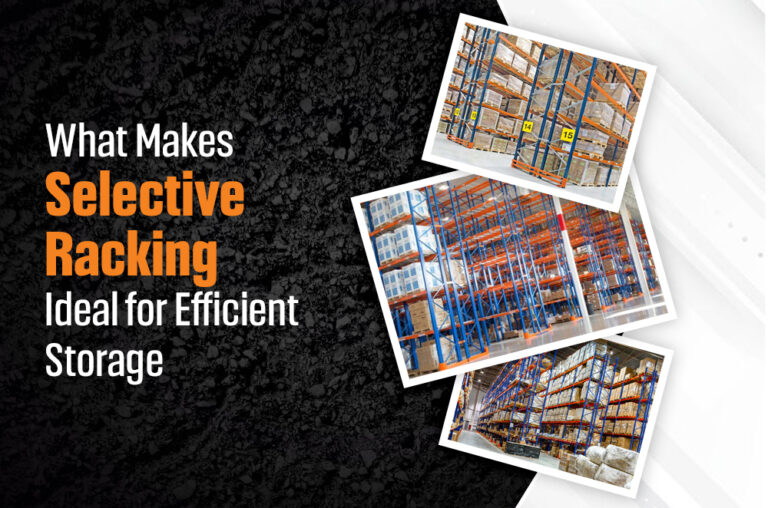
Characteristics, Benefits And Applications of Selective Racking

Selective racking continues to be one of the most preferred and commonly used pallet racking systems across warehouses, distribution centers, and industrial storage facilities. Designed for smooth operations and easy reach, selective racking allows direct access to every pallet without needing to move others out of the way. This makes it an excellent choice for businesses handling a wide variety of goods with high SKU counts. Its simple setup includes upright frames and horizontal beams that can be adjusted to fit different pallet dimensions and weight capacities. What truly sets selective racking apart is its adaptability. It supports the First In, First Out (FIFO) inventory method and is compatible with most material handling tools, such as forklifts and reach trucks. Whether you’re storing heavy-duty items, fast-moving stock, or a mix of product types, this system delivers a practical and scalable solution. It also helps make better use of vertical space, enhances inventory visibility, and boosts overall warehouse performance. At Business Point International in the UAE, we offer reliable selective racking systems built around your exact operational needs. From initial planning to final installation, our storage solutions are crafted to improve efficiency and strengthen your supply chain. If you’re looking for quick access, flexibility, and dependable performance, selective racking is the ideal choice. 1. Maximizes Warehouse Space Utilization and Productivity Selective racking offers an efficient way to increase warehouse capacity without the need for major structural changes. By using vertical space effectively, it helps store more inventory while keeping the floor area organized and accessible. This is especially useful in warehouses that manage fast-moving goods or a wide range of products. With selective racking, operations remain streamlined, and clutter is significantly reduced. The open design of the system allows for quick placement and retrieval of pallets, which improves workflow and reduces delays. Since each pallet is easy to locate and reach, employees spend less time searching or rearranging items. This not only boosts daily output but also supports better inventory flow. For growing businesses that want to scale operations without expanding floor space, selective racking becomes a reliable and cost-efficient option. As demand increases, selective racking helps maintain order while supporting higher throughput. It provides structure and flexibility, giving your warehouse the capacity to adapt to future needs. For companies aiming to boost productivity while making full use of available space, this system offers real value. 2. A Complete Versatility Selective racking is known for its ability to adapt to a wide range of storage needs. Whether your warehouse handles large machinery components, packaged consumer goods, or sensitive perishables, this system can be configured to match your inventory requirements. Beam levels can be easily adjusted to support pallets of various sizes and weights, offering the kind of flexibility modern operations demand. The design works smoothly with different types of forklifts and handling equipment, which means businesses do not need to invest in specialized tools. This makes it easier to reorganize the racking layout as product lines grow or change. For industries that frequently deal with shifting inventory volumes or product categories, selective racking provides a structure that is both durable and flexible. Because it adapts to evolving needs, selective racking offers long-term value. Companies can make layout adjustments without major system overhauls, saving time and costs. As a result, it becomes a future-ready solution that supports operational changes without affecting warehouse efficiency or safety. 3. Easy and Quick Access of Inventory One of the strongest advantages of selective racking is the ability to reach every pallet without moving another. This direct access eliminates unnecessary handling and speeds up picking operations. For warehouses managing a high number of SKUs or time-sensitive products, this can significantly reduce delays in daily operations. Since each pallet is stored in its own designated space, workers can quickly identify, pick, and restock items with minimal effort. This reduces labor time and lowers the risk of product damage during retrieval. The straightforward access also helps maintain order accuracy, which is critical in fast-paced environments. For businesses focused on speed, accuracy, and efficiency, selective racking becomes a practical solution. It allows teams to meet high demand without sacrificing control over stock movement, making it easier to fulfill orders on time and with precision. 4. First In, First Out (FIFO) Selective racking naturally supports the First In, First Out (FIFO) inventory method, which is essential for managing perishable goods or products with expiration dates. Since every pallet is directly accessible, older stock can be picked and dispatched before newer inventory is added. This maintains proper stock rotation and minimizes waste. Industries like food, pharmaceuticals, and retail often rely on FIFO to comply with health and safety standards. With selective racking, it’s easy to keep older inventory visible and accessible, reducing the chances of product spoilage or obsolescence. This improves not just efficiency but also regulatory compliance. By following FIFO with the help of selective racking, businesses can streamline supply chain processes while maintaining better quality control. It ensures a consistent flow of inventory and helps avoid overstocking or unnecessary write-offs. 5. Easy Installation, Low Costing Materials and Forklifts Selective racking is a cost-effective choice for many businesses because it uses widely available materials like steel beams and frames. Its simple design makes installation quick and straightforward, often requiring minimal tools and labor. This means your warehouse experiences less downtime during setup. The system is designed to work well with standard forklifts and other common material handling equipment. There is no need for specialized machinery, which helps reduce both initial investment and ongoing operational costs. This forklift-friendly setup allows pallets to be moved efficiently without extra complications. For small to medium-sized companies, especially in the UAE, selective racking offers an economical yet robust storage solution. Its ease of installation and compatibility with existing equipment make it a smart option for businesses looking to improve storage capacity without overspending. Understanding Selective Racking Selective racking is made up of several important components that work together to create a sturdy and flexible storage

Heavy Duty GI Grating
Racking

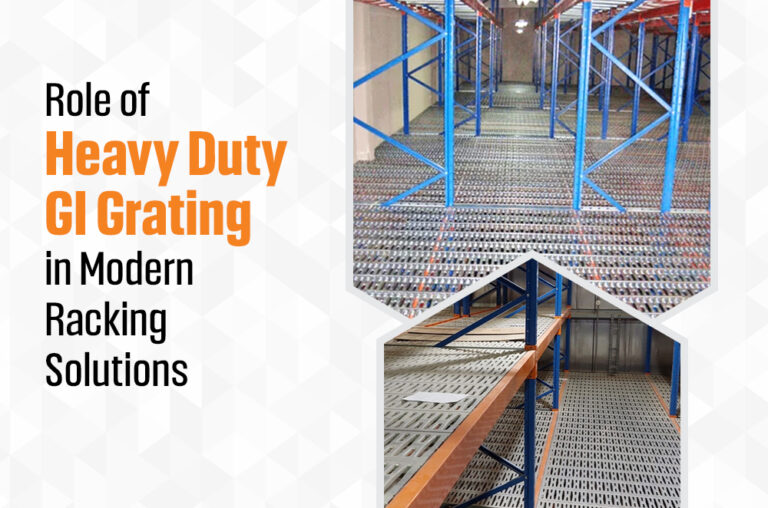
Discovering the Benefits & Applications of Heavy Duty GI Grating

Heavy duty GI grating plays a major role in today’s industrial and commercial spaces. It is often used where strength, safety, and long term reliability matter most. You can see it in factories, oil refineries, power stations, and even public infrastructure where durability is a top priority. Manufactured using galvanized iron, this grating resists corrosion and handles heavy loads with ease. Its sturdy construction gives it an edge in environments that involve frequent use, moisture, or chemical exposure. Unlike weaker flooring materials, it stays solid under pressure without breaking down over time. The demand for dependable surface support systems keeps growing. From safe walkways to drainage covers, this type of grating answers both practical and structural needs. For industries looking to reduce maintenance and improve safety, choosing heavy duty GI grating is often a smart and lasting decision. What Heavy Duty GI Grating Is and How It’s Made? Heavy duty GI grating is more than just a flooring choice. It is a critical component in settings where weight, pressure, and exposure to harsh conditions are constant. At its core, this type of grating is made from galvanized iron, which is iron coated with a layer of zinc. This coating not only protects the surface from rust but also extends the material’s lifespan in both indoor and outdoor environments. The manufacturing process involves welding or pressure locking a series of flat bars and crossbars together. This creates a grid like structure that balances strength and openness. The design allows liquids, debris, and even small objects to pass through, which makes it useful in drainage systems, production floors, and heavy equipment areas. Because it can be custom made in various sizes and load bearing capacities, it fits a wide range of structural needs. From an engineering point of view, its strength to weight ratio is one of the reasons why heavy duty GI grating remains so effective. It provides excellent support without adding too much load to the main structure. This becomes especially important in high rise buildings or facilities where structural efficiency is key. It also supports workplace safety. The slip resistant surface helps prevent accidents, and the open design allows better airflow and drainage. In industrial environments, where safety regulations are strict, using the right type of grating can help meet compliance standards. Another important aspect is its minimal maintenance. Once installed, it rarely needs frequent repair. Just occasional cleaning and checks are enough to keep it working well. This reduces downtime and overall operational costs, which benefits businesses in the long run. Over time, industries have moved away from wooden planks or concrete slabs toward more durable options by choosing heavy duty GI grating . Key Advantages of Heavy Duty GI Grating Choosing heavy duty GI grating offers more than just structural support. It provides several practical benefits that make it suitable for demanding environments. From durability to safety, each feature plays a role in why this material continues to be trusted across industries. One of the most notable advantages is its load bearing capacity. It can support the weight of heavy machinery, vehicles, and foot traffic without bending or breaking. The strength comes from the combination of its design and the material used. Galvanized iron, known for its toughness, holds up well under pressure and does not wear out easily. Another key benefit is corrosion resistance. The zinc coating protects the grating from rust, even in environments exposed to moisture, chemicals, or oil. This is especially important in outdoor settings and facilities where exposure to harsh elements is unavoidable. Because of this protection, the grating retains its shape and strength for a much longer period. Safety is also a major advantage. The grating surface is often designed with anti slip properties, helping to prevent accidents. The open grid design lets liquids and dirt pass through, which helps prevent pooling and slipping. In industries where worker safety is a constant concern, using materials that reduce risk is always a smart choice. It is easy to install and can be cut or customized to fit various layouts. Whether it is needed for platforms, stair treads, or trench covers, it adapts well without requiring complex modifications. This flexibility saves both time and cost during the installation process. Maintenance is minimal, which adds to its long term value. Unlike wood or other materials that may rot or crack, galvanized iron needs only basic cleaning and inspection. This results in less need for replacements and lower maintenance expenses over time. Lastly, it is an environmentally responsible option. Because the material can be recycled, it contributes to sustainability goals while still delivering excellent performance. For businesses and contractors looking for something that delivers strength, safety, and long term efficiency, heavy duty GI grating offers a complete package. It is not just reliable; it is also cost effective and built to last. At BPI Racks, quality and durability go hand in hand, making our grating solutions a dependable choice for demanding industrial needs. Where Heavy Duty GI Grating Makes a Real Difference In environments where structural strength and durability are non-negotiable, heavy duty GI grating emerges as a dependable solution. This type of grating is specially designed to handle extreme loads, resist environmental wear, and maintain performance over time. Whether on factory floors, industrial walkways, or public infrastructure, the presence of GI grating significantly boosts both safety and functionality. One of its primary applications is in manufacturing plants and heavy duty processing units. These places deal with continuous movement of workers and machinery, making surface strength and stability a top concern. Heavy duty GI grating creates a slip resistant surface that supports heavy weight without bending or warping. The open grid structure improves ventilation and reduces the accumulation of liquids or debris, helping to maintain cleanliness and reduce the risk of accidents. In high heat and high moisture zones like power generation plants and petroleum refineries, the grating is frequently installed for safe access pathways and maintenance platforms. The galvanized finish offers excellent corrosion

Request A Quote Now!

FREE CONSULTATION
+971 52 7309510

This site is protected by reCAPTCHA and the Google Privacy Policy and Terms of Service apply.
Call Now