
Efficiency in storing products has always been a challenge to all the industries that deal with large quantities of a product. It is not uncommon to see a warehouse becoming overwhelmed very rapidly, but it is also not uncommon to find that those warehouses hit their floor space limits due to land prices and the costs of expansion. Meanwhile, businesses are always pressured to offer their services faster and maintain their operations in order. These demands have prompted a lot of firms to embrace smarter storage practices that lay emphasis on the utilization of the already available space. The increase of a two tier rack has emerged as one of the most realistic alternatives over the past years. This system utilizes the unutilized vertical space within warehouses and hence the business still has a means of storing more goods without the construction. When placing a second shelving level companies are nearly able to increase the capacity of the shelf and products can be located easily.
For businesses struggling with space limits, two tier racks provide a balance between efficiency and affordability. Instead of adding new facilities, they make better use of what is already available. This approach has changed how warehouses, retail chains, and manufacturing plants think about storage, making vertical solutions an essential part of modern supply chain design.
 Evolution of Storage Systems
Storage methods have come a long way from the days of simple floor stacking, where goods were piled in open areas with little organization. As industries grew, single racks became the standard, offering more structure and easier access, yet they still left large portions of vertical space unused. The demand for higher efficiency led to the rise of multi tier racking systems, which transformed warehouses by unlocking capacity in the same footprint. Today, many industries are shifting toward two tier racks because they deliver the perfect balance of space utilization, flexibility, and cost efficiency without heavy construction.
Understanding Two Tier Racks
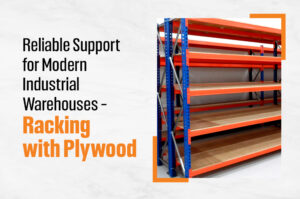
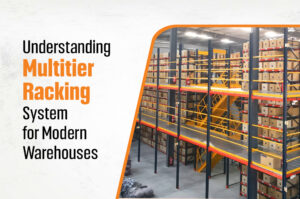
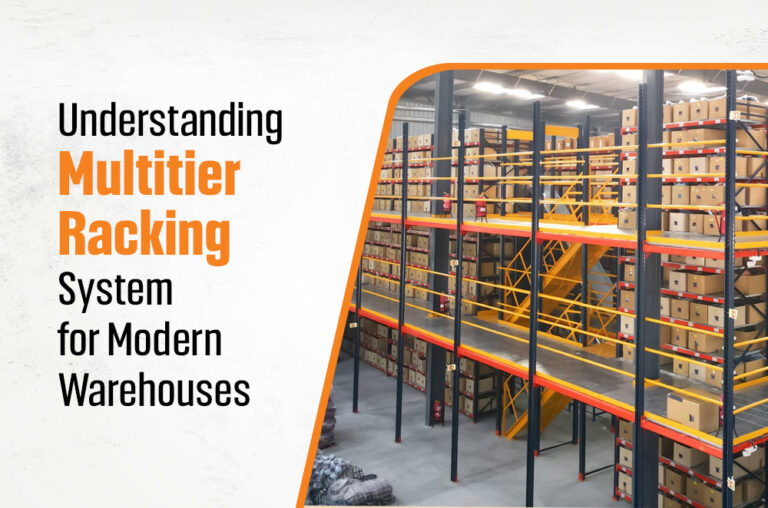
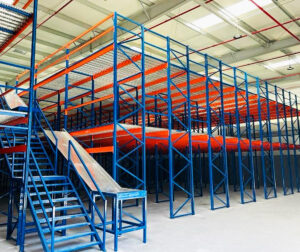
A modern warehouse is no longer defined by how wide it spreads but by how well it uses every meter of available space. This is where two tier racks stand out as a smart choice. They are designed to create an additional level of storage within the same footprint, giving companies the chance to expand upward instead of outward. These systems usually rely on strong steel frames capable of supporting heavy loads. Each level can be accessed through staircases or walkways, which makes handling goods safe and practical. Rather than leaving the vertical area unused, the structure transforms it into practical storage space.
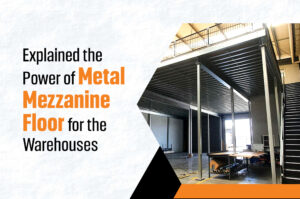
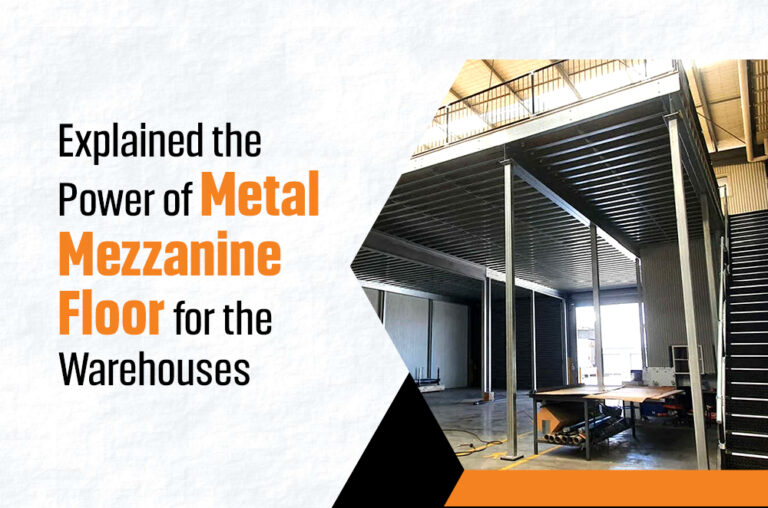
When compared to single-level shelving, this approach nearly doubles the storage capacity. Unlike mezzanine floors that demand permanent construction, two-tier designs stand out for their flexibility. They can be reconfigured or extended as a business grows, making them a suitable option for industries where demand changes frequently. Many companies adopt this setup after facing limited floor space and high rental costs. Rather than moving to a larger facility, they increase their efficiency inside the same building. By using the warehouse height more intelligently, they reduce waste and make everyday operations smoother.
Key Benefits of Two Tier Racks
The main advantage of two tier racks is their ability to maximize vertical space. Many warehouses have high ceilings that remain unused while the ground area becomes crowded. Adding a second tier of shelving allows businesses to nearly double their storage capacity without needing to enlarge the building. This efficient use of height is often the difference between meeting customer demand and running out of room. Cost savings add to their appeal. Constructing a new facility or extending an existing one can take months and require significant investment. With this storage method, companies can upgrade their capacity at a fraction of the cost. Installation is quicker, and daily operations face only minimal disruption.

Another important benefit is safety. These racks are engineered to hold heavy loads securely. Walkways, staircases, and railings allow workers to move safely between levels. Compared to unplanned stacking on the floor, the structured design reduces risks of accidents and protects both employees and goods. Flexibility also makes the system valuable. Businesses often face seasonal demand shifts or changes in product size. Two tier racks can be adjusted or expanded when needed, unlike permanent mezzanine floors. This adaptability ensures that the investment continues to deliver value as the company grows.
Lastly, better organization improves overall performance. Goods are arranged systematically, which makes locating items faster and reduces errors in inventory management. Shorter picking times translate into quicker deliveries and higher customer satisfaction. Two tier racks provide a dependable solution for companies striving to enhance both speed and accuracy.
Applications Across Industries
Two tier racks are invaluable in various industries where space and efficiency is a vital factor. Warehousing and logistics businesses deal with thousands of merchandise a day and availability is another major requirement. By using this storage system, they will be able to add capacity without losing reach of the items to facilitate speedier shipping and streamlined supply chain functions. The retail business sector is another beneficiary of the technology. Large chains usually need to store cartons and large bulk contacts in the backrooms or distribution centers. Multi level shelving helps stores keep additional stock right near the range and produce extra stock rapidly on the shelves as the customer demand escalates. This systematic behavior avoids any cases of delays and enhances service delivery.
Manufacturing units rely on two tier racks for both raw materials and finished goods. Keeping inputs accessible reduces downtime on the production line, while finished products can be stored neatly until they are shipped. The structured design ensures that inventory moves in and out without confusion, which is especially important in facilities with high daily output. Specialized industries such as cold storage facilities find unique advantages as well. Vertical storage helps maximize space in temperature controlled rooms, which lowers energy costs per unit stored. This is crucial when handling perishable goods that must remain in precise conditions. Across all these sectors, the system proves versatile, practical, and long lasting.
Why Choose BPI Racks for Two Tier Racks
Selecting the right storage system is about more than just adding shelves. Businesses need solutions that are durable, adaptable, and supported by experts. This is where BPI Racks provides a clear advantage. With years of experience in industrial and warehouse solutions, the company has become a trusted partner for organizations across the UAE. The strength of the service lies in a mix of quality and customization. Every facility has its own layout, load requirements, and workflow patterns. BPI Racks delivers systems that match these unique conditions, whether the goal is to manage bulk pallets, cartons, or mixed goods. The use of high grade materials ensures that each installation can carry heavy loads safely while standing the test of time.
Beyond installation, ongoing support sets the company apart. Storage equipment requires regular checks and adjustments to maintain safety and efficiency. With reliable after sales service, clients can focus on running their operations while knowing that their systems remain in peak condition. This level of attention builds long term confidence.
For businesses looking to maximize space without expanding their premises, two tier racks from BPI Racks represent a practical investment. The combination of expert guidance, tailored designs, and consistent support ensures not only better use of space but also smoother operations overall.